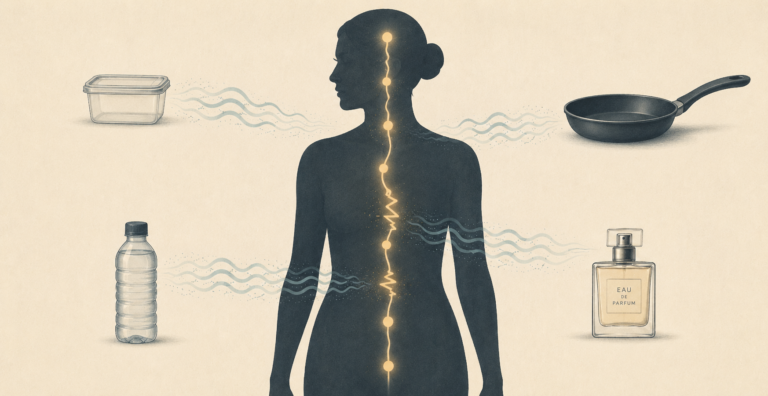
Your hormone environment is not just inside your body. It is also in the water you drink, the food packaging you touch, the plastic you heat, the fragrance you breathe, and the dust inside your home.
That may sound dramatic, but the scale of exposure is hard to ignore. The CDC found BPA in the urine of 92.6% of Americans tested, and PFAS — the so-called “forever chemicals” — have been found in the blood of most people in the United States. These exposures are not rare. They are woven into the ordinary materials of modern life.
The point is not to make everyday life feel toxic. It is to understand which exposures are repeated often enough, and biologically plausible enough, to be worth reducing. Some chemicals can interfere with hormone signaling, and hormones help regulate far more than reproduction: metabolism, thyroid function, puberty, fertility, stress response, immune function, sleep timing, and development.
This article sorts the major exposures by what matters most: where the evidence is strongest, where the exposure happens in daily life, and which changes are actually worth making. You will learn how to think about PFAS, phthalates, BPA, fragrance chemicals, dust, and microplastics without turning the subject into panic — and how to reduce the biggest exposures through simple changes like filtering drinking water, avoiding heated plastic food contact, reducing grease-resistant packaging, choosing simpler personal-care products, and keeping household dust under control.
What Are Endocrine Disruptors?
Endocrine disruptors are chemicals that can interfere with the body’s hormone systems.
Hormones are biological signals. Insulin helps regulate blood sugar. Thyroid hormones help control metabolic rate, growth, and development. Estrogen and testosterone influence puberty, fertility, bone health, muscle, mood, and reproductive function. Cortisol helps coordinate the stress response. Melatonin helps regulate sleep timing.
These signals work in small amounts, and they need to arrive at the right time, in the right tissue, with the right message. That is why endocrine-disrupting chemicals are different from ordinary toxins. The concern is not always that a chemical causes immediate, obvious damage. The concern is that it may interfere with the body’s communication system.
Endocrine disruptors can interfere with hormone signaling in several ways: by mimicking natural hormones, blocking receptors, altering hormone production, changing hormone transport, or affecting how quickly hormones are broken down and cleared from the body.
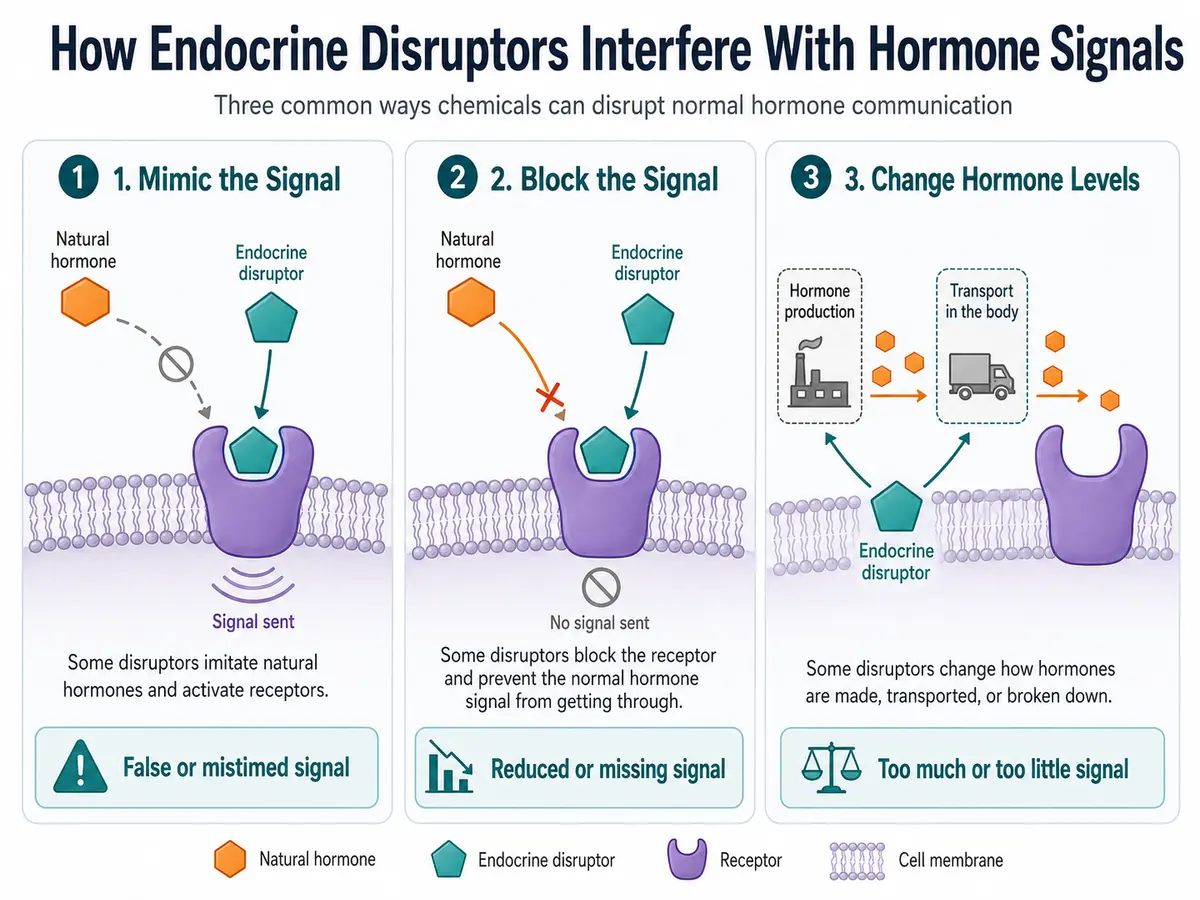
For example, bisphenol A (BPA), used in some plastics and food-contact materials, is mainly discussed because of its estrogen-like activity. Certain phthalates, found in some plastics, food packaging, fragrance, cosmetics, and medical tubing, are more often discussed for their anti-androgen effects, meaning they may interfere with testosterone-related signaling. Similarly, PFAS are associated with immune, reproductive, developmental, cholesterol, and hormone-related concerns.
Timing also matters. A small disruption in hormone signaling may be more important during pregnancy, infancy, childhood, or puberty than in a fully developed adult, because those are periods when hormones help guide growth, brain development, reproductive development, and metabolic programming.
Which Chemicals Matter Most?
The phrase “endocrine disruptor” can make everything sound equally threatening, but the evidence is not equal across every chemical, exposure route, or health outcome. Some chemicals persist for years. Others clear quickly but matter because contact is repeated. Some have strong human evidence; others are supported mostly by animal or mechanistic research.
The most useful approach is to rank them: which are persistent, biologically plausible, linked to meaningful human outcomes, and realistic to reduce in ordinary life?
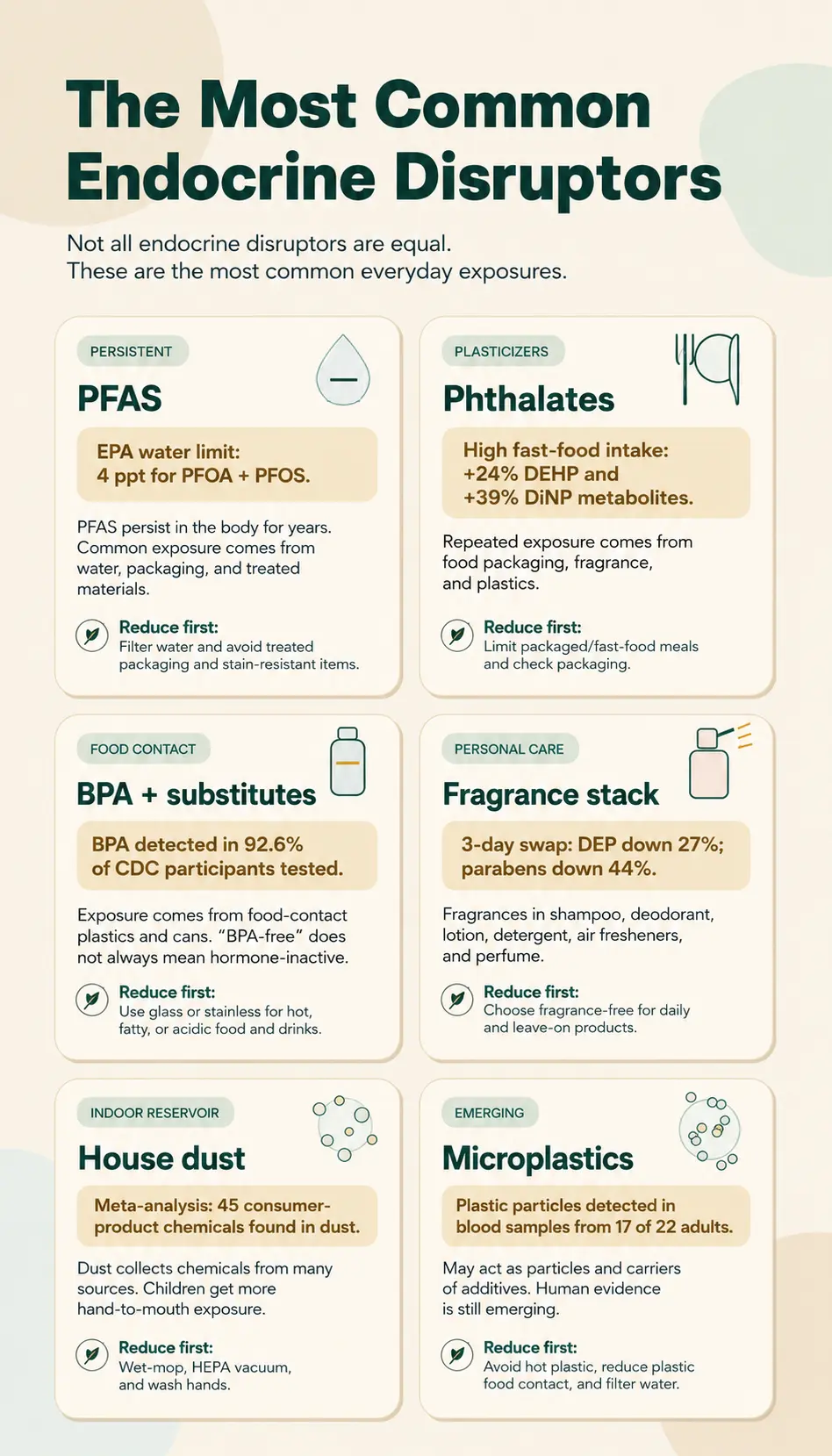
PFAS
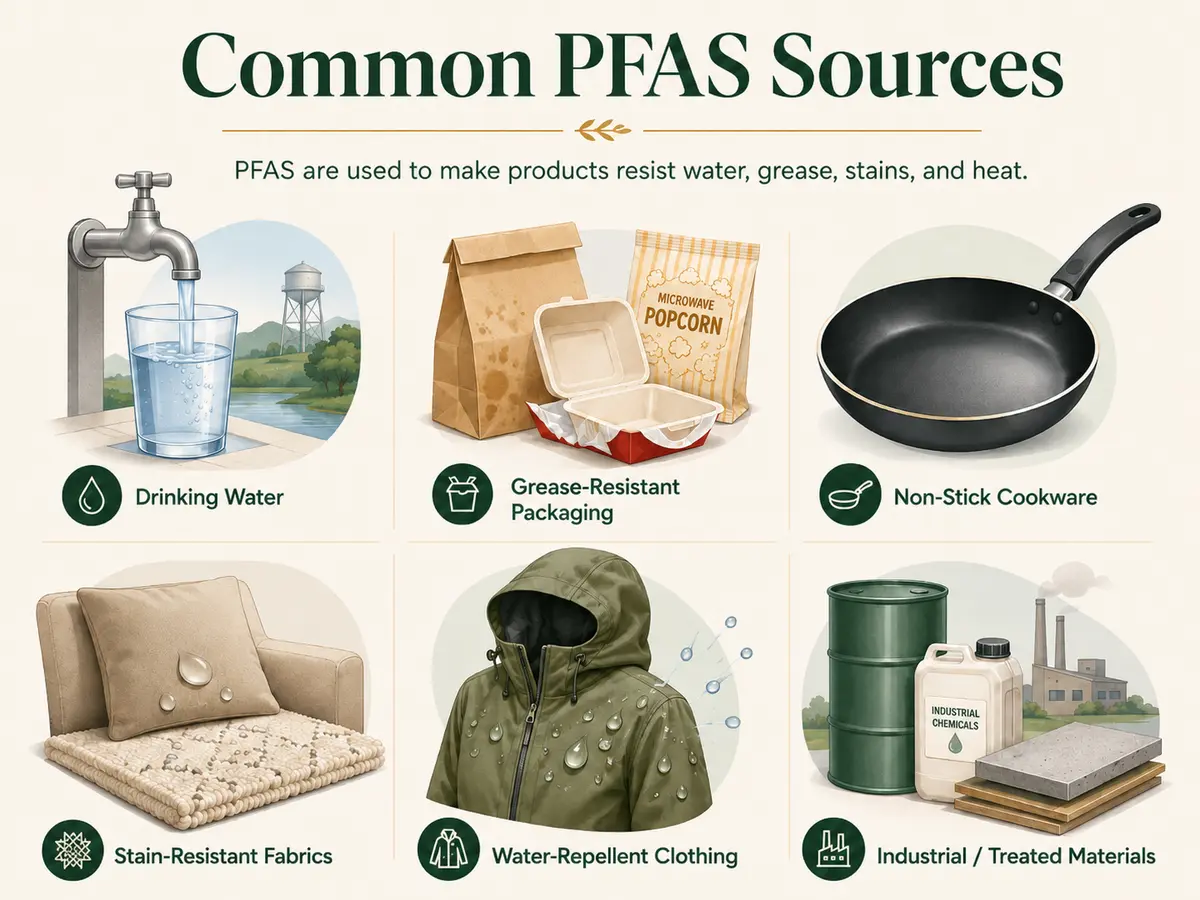
PFAS, or per- and polyfluoroalkyl substances, are a large family of manufactured chemicals used to make materials resist water, grease, stains, and heat. That is why they have been used in grease-resistant food packaging, non-stick coatings, stain-resistant fabrics, water-repellent clothing, and industrial materials. They are often called “forever chemicals” because many break down slowly in the environment, and some can build up in people and animals over time. PFOA and PFOS are two of the best-studied PFAS, although thousands of different PFAS exist.
PFAS exposure is widespread enough that the CDC states most people in the United States have PFAS in their blood. There has been progress: after major phaseouts, blood levels of some older PFAS have fallen sharply, with PFOS declining by more than 85% and PFOA by more than 70% between 1999–2000 and 2017–2018. But those declines do not mean the problem has disappeared. Older PFAS can remain in contaminated water, soil, and wildlife for years, while newer replacement PFAS have entered use in their place.
PFAS have been linked to several health concerns, but the evidence is stronger for some outcomes than others. The Environmental Protection Agency (EPA) summarizes peer-reviewed research associating certain PFAS exposures with reduced fertility, pregnancy-related high blood pressure, developmental effects in children, low birth weight, accelerated puberty, reduced vaccine response, interference with natural hormones, higher cholesterol, obesity risk, and increased risk of some cancers, including kidney and testicular cancers.
One of the more revealing parts of the PFAS evidence is that European regulators used immune response as the basis for their safety threshold. In 2020, EFSA set a very low tolerable weekly intake for four major PFAS combined — PFOA, PFOS, PFNA, and PFHxS — after reviewing evidence that higher exposure was linked with reduced antibody response to vaccination.
The U.S. does not use that exact food-intake threshold; its main public standard is currently a drinking-water limit, with EPA setting enforceable limits of 4 parts per trillion for PFOA and PFOS. Different agencies use different endpoints, but both approaches point in the same direction: PFAS are being regulated at extremely low exposure levels.
In real life, PFAS risk depends heavily on context. Contaminated drinking water, private well use in an affected area, occupational exposure, or frequent consumption of locally caught fish from contaminated waters can raise exposure well above background levels. That is why PFAS reduction usually starts with the repeated sources: drinking water, food-contact materials, grease-resistant packaging, and treated products used often.
Phthalates
Phthalates are chemicals used mainly to make plastics softer and more flexible, which is why they show up in food packaging, vinyl flooring, cosmetics, fragrance, and children’s toys. Unlike PFAS, many phthalates do not remain in the body for years, so the concern is repeated exposure from the products, packaging, and materials woven into ordinary daily life.
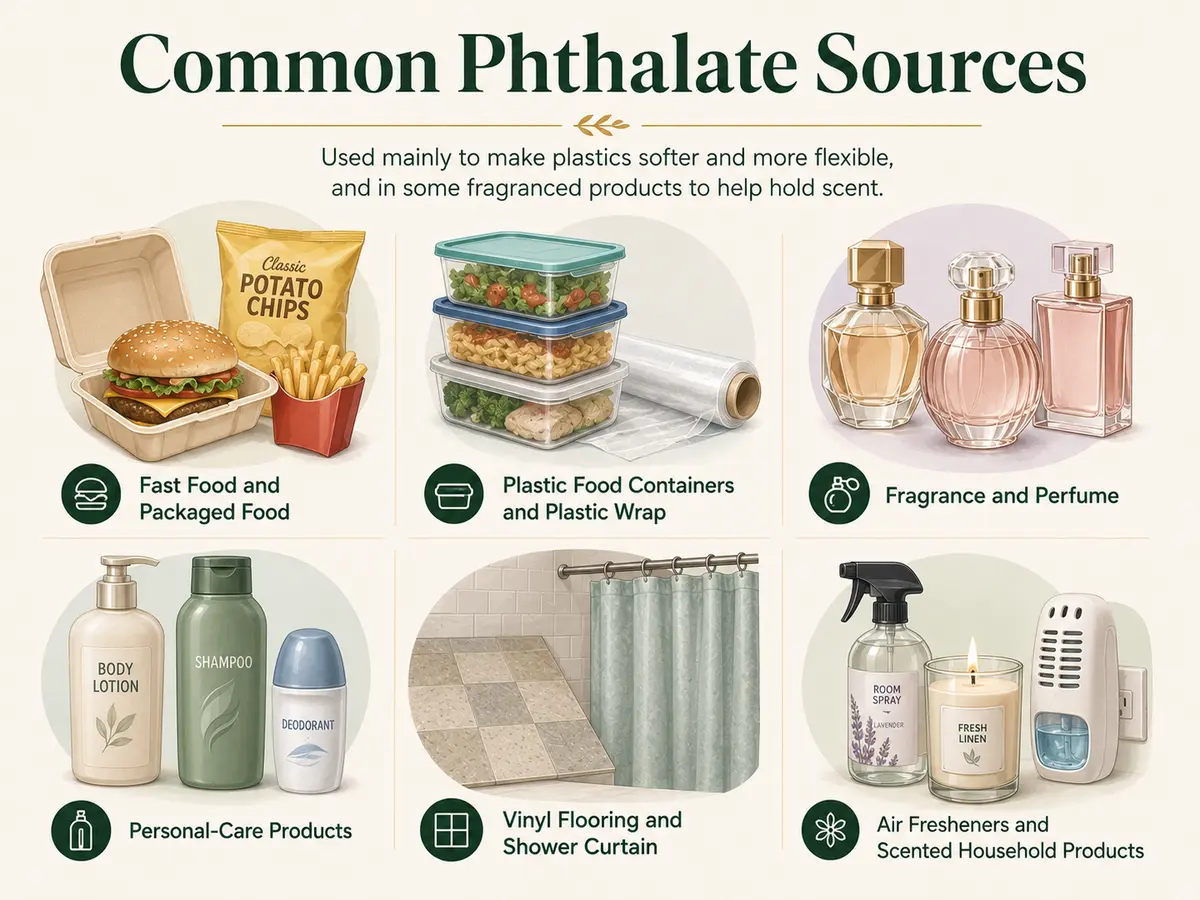
Food is one of the main ways people are exposed to phthalates, as these chemicals can migrate into food during processing, packaging, handling, and storage, especially when plasticized materials come into contact with fatty foods.
Fast food gives a useful real-world example. In a NHANES analysis of more than 8,800 people, those who ate more fast food had significantly higher urinary metabolites of DEHP and DiNP, two common plasticizers. People getting at least 35% of their daily calories from fast food had roughly 24% higher DEHP metabolites and 39% higher DiNP metabolites than people who reported no fast-food intake.
The clearest biological concern is reproductive development, especially because several phthalates can act as anti-androgens, meaning they may interfere with testosterone-related signaling.
This is particularly concerning during fetal development, when testosterone helps guide male reproductive development. Human studies have linked higher prenatal phthalate exposure with shorter anogenital distance in male infants, a marker often used in reproductive-development research.
Other outcomes are being studied too, including preterm birth, gestational length, thyroid function, metabolic health, and child neurodevelopment. A pooled analysis of 16 U.S. cohorts reported associations between prenatal urinary phthalate biomarkers and preterm birth, while earlier cohort work has linked prenatal phthalate exposure with child behavior and executive-function measures.
Phthalates are not only a food-packaging issue. Some lower-molecular-weight phthalates, especially DEP, have also been used in fragrance and cosmetics because they help scents last longer and improve how products feel or spread.
Phthalates are not only a food-packaging issue. Some lower-molecular-weight phthalates, especially DEP, have also been used in fragrance and cosmetics because they help scents last longer and improve how products feel or spread. That means exposure can come through several ordinary routes at once: food processing and packaging, hot or fatty foods in plastic, shampoo, lotion, deodorant, perfume, nail polish, hair spray, air fresheners, vinyl materials, and household dust. The practical target is not every trace of exposure, but the repeated high-contact sources that show up every day.
BPA and BPA-Free Plastics
BPA, or bisphenol A, is a chemical used in certain plastics and resins. For most people, the main concern is food contact: BPA has been used in polycarbonate plastics and in epoxy resins that line some food and drink cans, allowing small amounts to migrate into food or beverages. This is why BPA exposure is usually discussed in relation to canned foods, plastic food containers, food packaging, and plastic bottles.
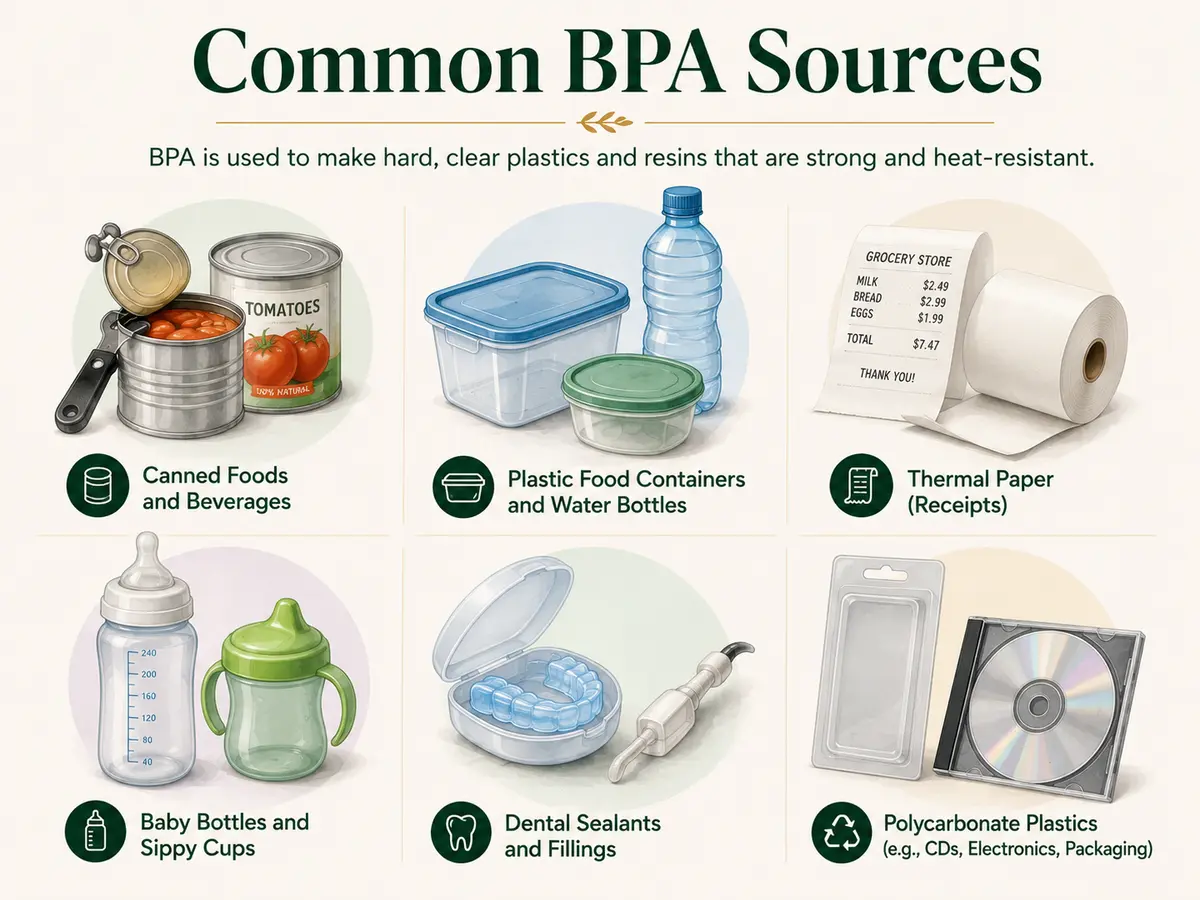
Part of the reason BPA became such a public issue is that exposure appeared to be widespread. In CDC biomonitoring data from 2003–2004, BPA was detected in the urine of 92.6% of 2,517 participants aged six and older. That does not prove every exposure is harmful, but it does show how widespread BPA exposure had become in everyday life.
BPA is different from PFAS because it does not usually stay in the body for years. It is generally metabolized and excreted relatively quickly. So the concern is not long-term accumulation in the same way, but repeated contact. If small amounts are entering the body again and again through food-contact materials, fast clearance does not necessarily make the exposure harmless.
This uncertainty is reflected in EFSA’s reassessment of BPA. As with PFAS, the major shift was driven partly by immune-system concerns rather than only reproductive or cancer endpoints. In 2023, EFSA lowered its tolerable daily intake for BPA from a temporary limit of 4 micrograms per kilogram of body weight per day to 0.2 nanograms per kilogram per day — about a 20,000-fold reduction. EFSA concluded that average and high dietary exposures exceeded this new threshold across age groups.
The “BPA-free” label is useful, but it can also be misleading. It tells you that BPA has been removed, not that the material is automatically free from hormone-active chemicals. Some common replacements, including BPS and BPF, are chemically similar to BPA, and a 2015 systematic review found that both showed hormone-related activity in experimental studies. That does not prove every substitute is just as harmful as BPA, but it does make the label less reassuring than it first appears. A better rule is to treat BPA-free plastic as an improvement over BPA, not as a reason to heat food in plastic or rely on plastic containers more heavily.
For everyday life, the practical message is simple: keep plastic away from heat whenever food or drink is involved. That means avoiding plastic containers in the microwave, not pouring hot liquids into plastic bottles, and not repeatedly using plastic with hot, fatty, or acidic foods.
“BPA-free” plastic may reduce BPA exposure, but it does not automatically make plastic the best material for hot food contact.
Fragrance and Personal Care
Fragrance is one of the harder parts of this subject because it does not behave like a single ingredient. Plastic containers and non-stick pans are at least visible objects. Drinking water can be tested. Fragrance is different. It can sit inside perfume, deodorant, shampoo, conditioner, lotion, makeup, shaving products, laundry detergent, candles, air fresheners, and cleaning sprays — often without the individual scent chemicals being listed.
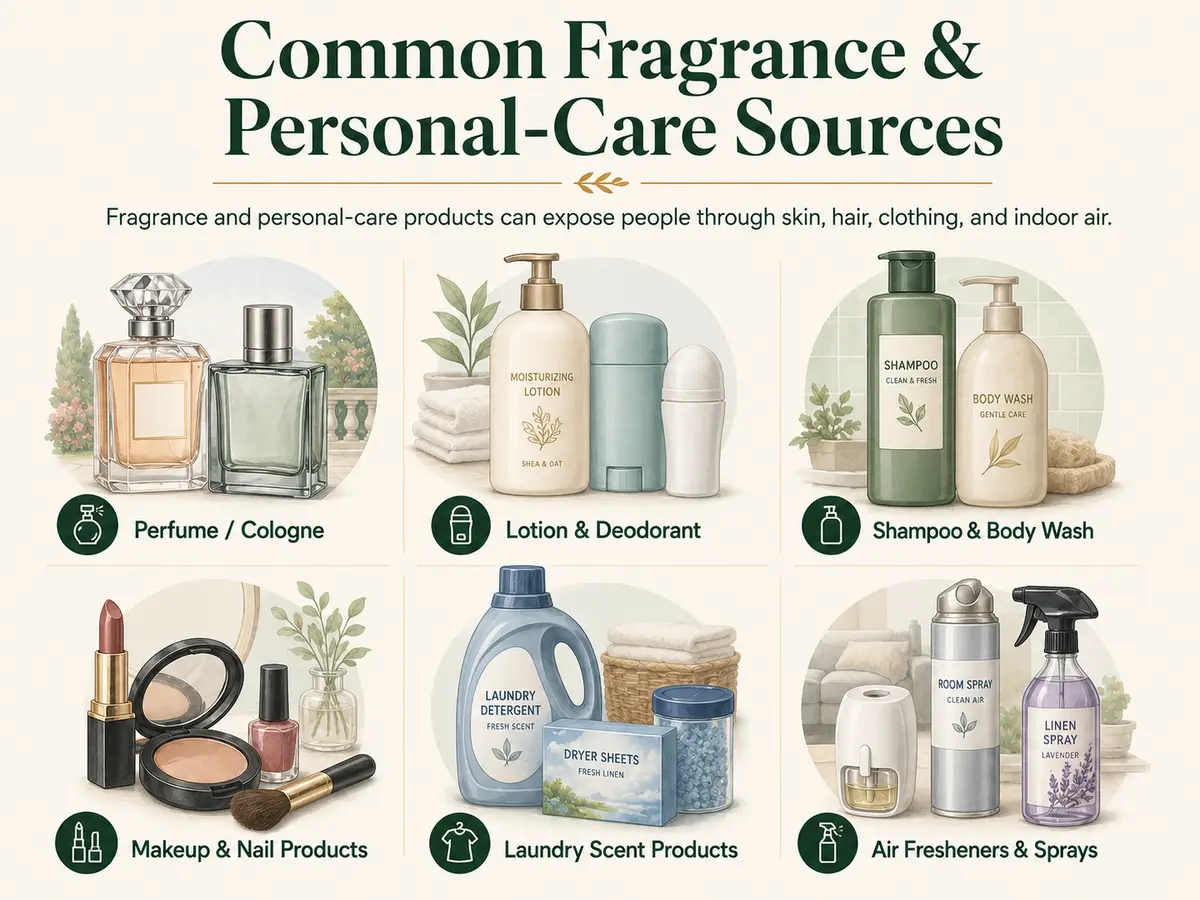
On cosmetic labels, fragrance ingredients may appear simply as “fragrance” or “flavor,” which makes it harder to know whether certain chemicals, including phthalates, are present. The phthalate most often discussed here is diethyl phthalate, or DEP, which has been used as a solvent and fixative to help scent last longer and improve product texture.
For many people, this exposure is built into the morning without much thought: shampoo and body wash in the shower, deodorant after drying off, lotion on the skin, clothes washed in scented detergent, hair product, makeup, perfume, and maybe an air freshener in the background. None of these products has to be dramatic on its own. The issue is the stack of small exposures repeated across skin, hair, clothing, and indoor air.
The extent of exposure has been demonstrated through studies. One of the better practical demonstrations is the HERMOSA study, where 100 adolescent girls switched for three days to personal-care products labeled free of phthalates, parabens, triclosan, and benzophenone-3. After only three days, urinary levels fell by 27% for diethyl phthalate, about 44% for parabens, 36% for triclosan, and 36% for benzophenone-3. This also goes to show that product choices can measurably change exposure, even over a very short period.
For most people, the simplest place to start is not with rare ingredients or expensive “clean” branding. It is with the products used most often and left closest to the body or indoor air. Fragrance-free laundry detergent, simpler deodorant and lotion, fewer air fresheners or plug-ins, less daily perfume or body spray, and more caution with products used around babies, children, pregnancy, or fertility are all reasonable first steps.
“Fragrance-free” is also usually more useful than “unscented.” Unscented products may still contain masking fragrances to cover the smell of other ingredients, while fragrance-free generally means fragrance ingredients were not added for scent.
Dust
Dust is not just dirt like many believe. It is a mixture of skin cells, soil, fibers, pollen, tiny particles from furniture and flooring, and residues from the products used inside a home. That makes it a reservoir for chemicals that slowly shed from indoor materials: phthalates from plastics and vinyl, PFAS from treated materials, flame retardants from furniture and electronics, pesticide residues, fragrance compounds, and other semi-volatile chemicals.
A 2016 meta-analysis of U.S. indoor dust studies found 45 consumer-product chemicals in household dust, including phthalates, flame retardants, phenols, fragrance compounds, and highly fluorinated chemicals. Several were detected in more than 90% of dust samples, with phthalates among the chemicals found at the highest concentrations.
Dust is especially relevant for young children because exposure is not only through breathing. Children spend more time close to floors, touch surfaces constantly, and put their hands and objects in their mouths. That hand-to-mouth route makes dust a more important exposure pathway during early life, when hormone and developmental systems are still being shaped.
Microplastics
Microplastics are not the same thing as endocrine-disrupting chemicals, but they belong in this conversation because they are part of the same modern plastic environment. They can come from degraded packaging, synthetic textiles, plastic bottles, food and water contamination, tire particles, household dust, and the breakdown of larger plastic products.
The concern has two parts. First, the particles themselves may matter. Very small plastic fragments may irritate tissues, contribute to oxidative stress or inflammation, affect the gut barrier, or cross biological barriers. Second, plastics are rarely just plastic. They can contain or carry additives such as phthalates, bisphenols, flame retardants, stabilizers, pigments, and PFAS-related compounds.
Human detection studies have made the issue harder to ignore. A 2022 Environment International study detected plastic particles in blood samples from 17 of 22 healthy adults, with PET, polyethylene, and styrene-based polymers among those identified. A small 2021 study also reported microplastics in human placental tissue, suggesting that plastic particles can reach tissues involved in pregnancy and fetal development.
The possible health concerns include inflammation, oxidative stress, gut-barrier disruption, microbiome changes, altered lipid and hormone metabolism, and reproductive effects. Most of this evidence still comes from cell, animal, and mechanistic research rather than long-term human outcome studies, and some scientists have raised concerns about contamination and measurement problems in microplastic tissue studies.
Endocrine Disruptors: What to Prioritize First
| Category | Priority | First place to look |
| PFAS | Very high | Drinking water, food, grease-resistant packaging |
| Phthalates | High | Fast food, fatty foods in plastic, fragrance, vinyl |
| BPA / Bisphenols | High for heated food contact | Canned foods, plastic containers, hot food in plastic |
| Fragrance chemicals | Moderate but easy to reduce | Laundry scent, deodorant, lotion, perfume, air fresheners |
| Household dust | Moderate, especially with children | Floors, carpets, treated materials, indoor residues |
| Microplastics | Emerging but worth reducing | Food, water, dust, synthetic textiles |
Get Your Free Book!
Enter your email to get the free book and occasional updates from The New Health Order.
How to Reduce Exposure Without Becoming Obsessive
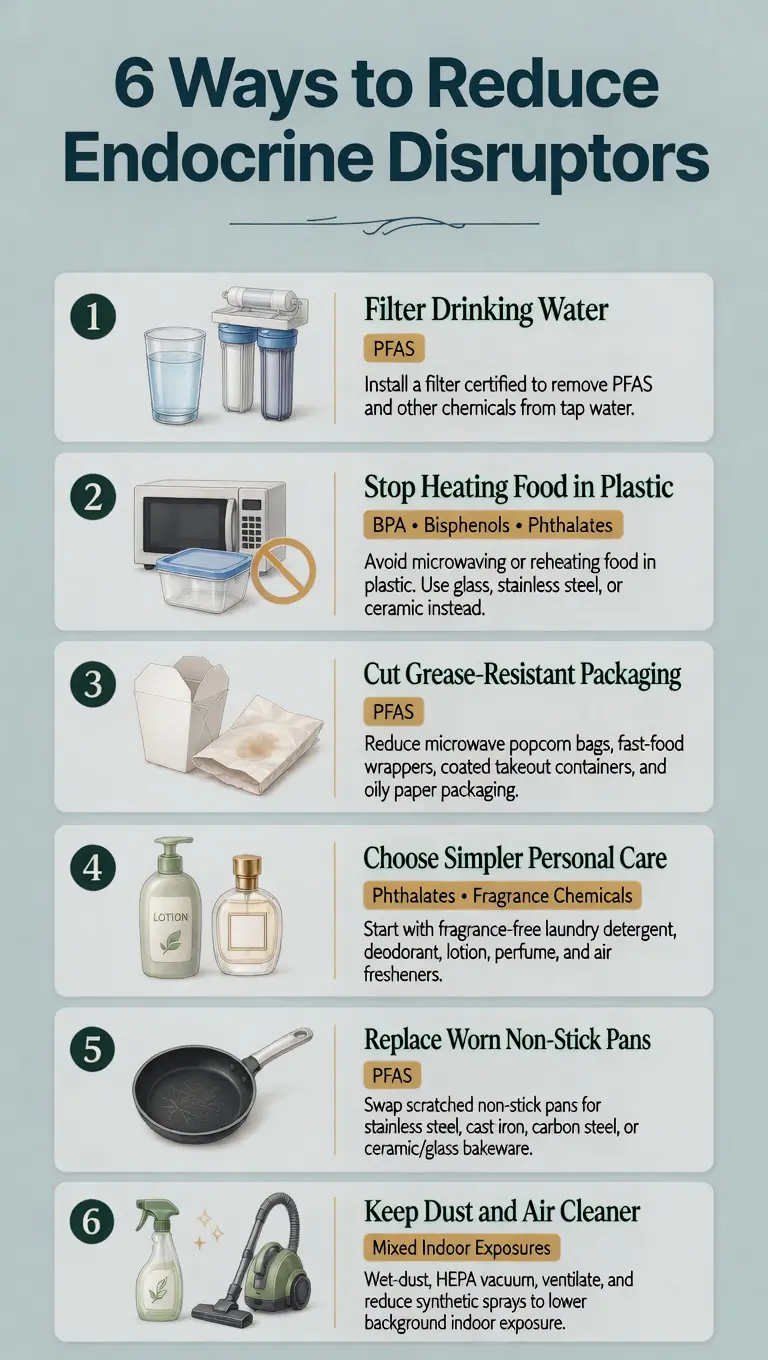
The most useful way to reduce endocrine-disruptor exposure is to start with the parts of life that repeat every day. It is easy to get lost trying to inspect every product, every label, and every possible source, but most of the value comes from a smaller set of changes: the water you drink, the materials that touch hot food, the packaging used for greasy food, the products you put on your skin, the treated materials in your home, and the dust and air you live with indoors.
Start With Drinking Water
Drinking water is one of the most sensible places to start because it is consumed every day and often used in cooking. If PFAS or other contaminants are present in the water supply, the exposure is not occasional. It becomes part of the daily baseline through plain water, coffee, tea, soups, rice, pasta, poached eggs, baby formula, and anything else where water becomes part of the food.
For most homes, an under-sink reverse osmosis system is one of the strongest practical options, especially for drinking and cooking water. Some activated carbon filters and ion exchange systems can also reduce PFAS, but the details matter: the system needs to be rated for the relevant contaminants, installed correctly, and maintained properly. Basic fridge or pitcher filters may improve taste, but they should not be assumed to reduce PFAS unless they are specifically tested or certified for that purpose.
This does not mean everyone needs a whole-house filtration system. For most people, the first priority is the water that actually enters the body. Filtering the water you drink and cook with is usually more realistic, more affordable, and more important than trying to filter every gallon used in the home.
Stop Heating Food in Plastic
Plastic is most worth avoiding when it is used with hot food, fatty food, acidic food, or repeated reheating. A plastic tub used occasionally for cold dry food is not the same exposure pattern as microwaving leftovers in a plastic container every day.
The main products to rethink are plastic meal-prep tubs, microwave-ready plastic trays, takeaway containers reused for hot leftovers, plastic wrap touching hot food, plastic bottles filled with hot liquids, and old plastic containers that have become scratched, cloudy, warped, or stained. “Microwave safe” mainly means the container is not expected to melt or deform under normal microwave conditions. It does not mean it is the best material for minimizing chemical migration into food.
The better default is simple: use glass containers, ceramic plates and bowls, stainless steel lunch boxes, mason jars for cold storage, and glass or stainless steel bottles. You do not need to throw away every plastic container immediately. Plastic can still be used for cooler, lower-contact storage if needed. But for reheating, hot leftovers, oily foods, acidic sauces, and daily food storage, glass, ceramic, and stainless steel are the better long-term choices.
Be Careful With Grease-Resistant Packaging
For PFAS, the food-packaging issue is less about ordinary plastic and more about materials designed to resist grease, oil, water, and staining. PFAS have been used because they help stop hot, oily, or wet foods from soaking through paper, cardboard, and molded fiber packaging.
The everyday examples are fast-food burger wrappers, fry cartons, coated paper bowls, microwave popcorn bags, slick bakery bags, grease-resistant takeout containers, some molded “compostable” bowls or plates, and coated paper used around oily foods. The highest-contact situation is hot, greasy food sitting in packaging designed specifically to repel grease.
The aim is to reduce the pattern. Microwave popcorn bags can be replaced with stovetop popcorn or an air popper. Hot takeout can be transferred onto a ceramic plate when you get home instead of being stored in the original container. Leftovers can go into glass rather than staying in coated packaging. More meals made from basic ingredients also means less contact with wrappers, trays, tubing, gloves, coatings, and processing materials before the food ever reaches the plate.
Choose Simpler Personal-Care Products
Personal-care products matter because they are used directly on the body and often layered every day. Shampoo, conditioner, body wash, deodorant, lotion, perfume, cologne, makeup, hair spray, styling gel, nail polish, aftershave, laundry detergent, dryer sheets, scent beads, plug-in air fresheners, room sprays, scented candles, and fragranced cleaning products can all contribute to the chemical profile of a home and body.
The most useful starting point is fragrance. Fragrance is not one ingredient; it is a category, and the specific ingredients used to create a scent are not always fully visible on the label. That does not mean every scented product is a major threat, but it does make daily fragrance one of the easier exposure routes to reduce.
Start with the products that stay on the body or in the air for the longest time: laundry detergent, lotion, deodorant, perfume, body spray, plug-in air fresheners, room sprays, and heavily scented cleaning products.
“Fragrance-free” is usually more useful than “unscented.” Unscented products may still contain masking fragrances to hide the smell of other ingredients, while fragrance-free products are generally formulated without added scent. There is no need to chase expensive “clean beauty” branding. The simpler approach is to reduce the number of scented products used every day, especially around babies, children, pregnancy, and fertility.
Reduce Treated Materials in the Home
PFAS chemistry has been used because it makes surfaces resist stains, water, grease, and sticking. In the home, that mostly points toward non-stick surfaces, treated fabrics, and stain-resistant or water-repellent coatings.
The most obvious products are non-stick frying pans, non-stick saucepans, non-stick baking trays, and old non-stick cookware that is scratched, flaking, or heavily worn. A worn non-stick frying pan used every morning is more worth replacing than a rarely used pan sitting in the back of a cupboard. For daily cooking, better long-term materials include stainless steel pans, cast iron skillets, carbon steel pans, enameled cast iron, glass baking dishes, and ceramic baking dishes.
The same thinking applies to furniture and textiles. Stain-resistant carpets, stain-resistant sofas and chairs, treated rugs, waterproof sprays for shoes or clothing, water-repellent jackets, treated tablecloths, and stain-resistant mattress protectors can all add to the chemical load of the home. The most practical move is to stop adding unnecessary treatments when buying new products. Skip optional stain-resistant coatings on new couches, carpets, chairs, and rugs unless there is a strong reason to use them.
You do not need to throw out every treated item you already own. But as products wear out, replacing them with simpler materials is a sensible long-term strategy.
Keep Dust and Indoor Air Under Control
Dust reduction does not need to be complicated. Wet-dusting is better than dry-dusting because it captures particles instead of throwing them back into the air. A vacuum with a HEPA filter is useful, especially for carpets, rugs, and homes with children or pets. Mopping hard floors, washing hands before meals, leaving shoes near the door, and ventilating the home when outdoor air quality is good all help reduce the background load.
Indoor air deserves the same practical treatment. Plug-in scents, aerosol air fresheners, fabric sprays, fragranced cleaning sprays, and heavily scented candles all add chemicals to the air people breathe. Cooking fumes and poor ventilation can add another layer. The aim is not to make the house sterile, but to make the indoor environment less chemically busy.
Final Thoughts
Endocrine disruptors are worth taking seriously, but they are not a reason to treat modern life as impossible to navigate.
The pattern across this subject is clear: risk is not evenly spread across every product, chemical, or habit. Some exposures are repeated every day. Some involve water, food, heat, fat, skin, indoor air, or children. Some chemicals persist for years, while others clear quickly but matter because contact is constant.
The water you drink every day is worth improving. The container you use to reheat food is worth changing. The pan you cook with every morning is worth choosing carefully. The detergent touching your clothes and bedding all day is worth simplifying. The air freshener running for hours in a closed room is worth removing.
The occasional takeaway meal, scented candle, plastic container used for cold leftovers, or old waterproof jacket is not where most people need to spend their energy.
Reducing exposure does not require perfection. It means lowering the background chemical load in the places where small changes are repeated often enough to matter.
FAQs
What are endocrine disruptors?
Endocrine disruptors are chemicals that can interfere with the body’s hormone systems. They may mimic natural hormones, block hormone receptors, alter hormone production, or affect how hormones are transported, broken down, or cleared from the body. Common examples include PFAS, phthalates, BPA, and some fragrance-related chemicals.
What are the most common sources of endocrine disruptors?
Common sources include drinking water, grease-resistant food packaging, plastic food containers, canned food linings, non-stick cookware, stain-resistant fabrics, fragrance, personal-care products, vinyl materials, household dust, and indoor air. The biggest practical concern is usually repeated exposure, especially through water, food contact, heated plastic, daily fragrance, and treated materials.
How can I reduce endocrine disruptor exposure?
Start with the exposures that are repeated and easy to change. Filter drinking and cooking water if needed, avoid heating food in plastic, reduce grease-resistant packaging, choose fragrance-free laundry and personal-care products, replace worn non-stick pans with stainless steel or cast iron, and keep household dust under control with wet-dusting, HEPA vacuuming, and ventilation.