
Topic Hub
Nutrition Myths
A clear guide to the biggest myths in nutrition — and the better questions to ask instead.
Modern nutrition advice often turns complex biological questions into simple rules: avoid fat, lower cholesterol, eat less red meat, count calories, choose heart-healthy oils. This section examines the assumptions behind those claims and asks what happens when we put them back into metabolic, historical, and real-world context.
Start here
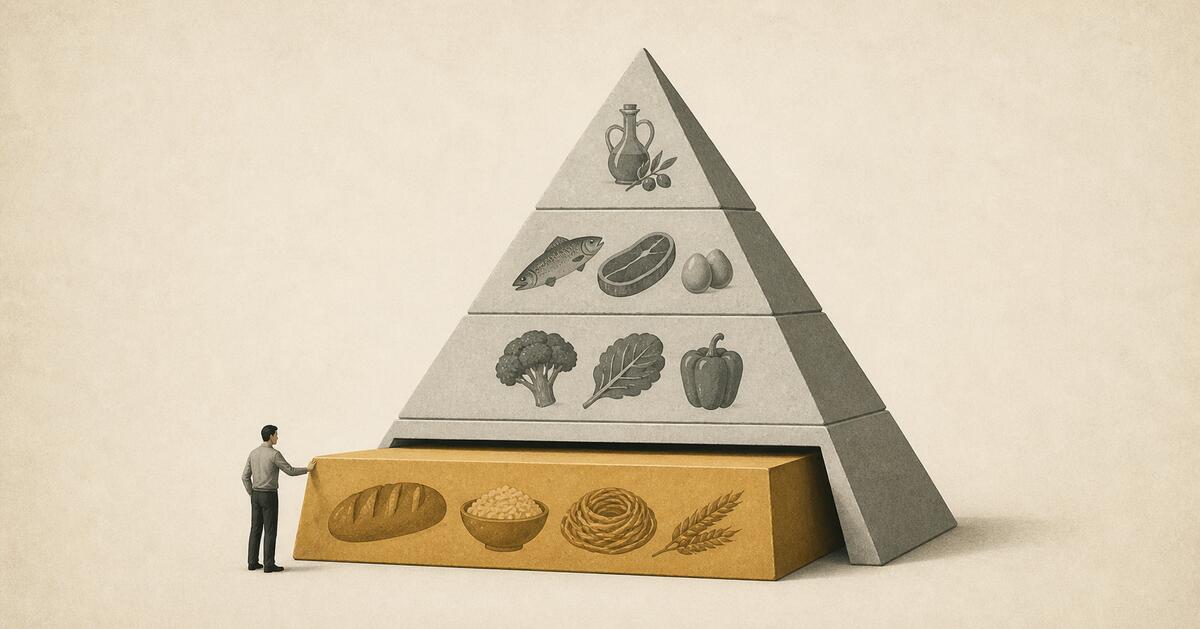
How Many Carbs Do You Actually Need Per Day?
A challenge to the idea that carbohydrates are universally required in high amounts, with a more nuanced look at activity, metabolism, insulin sensitivity, and individual context.
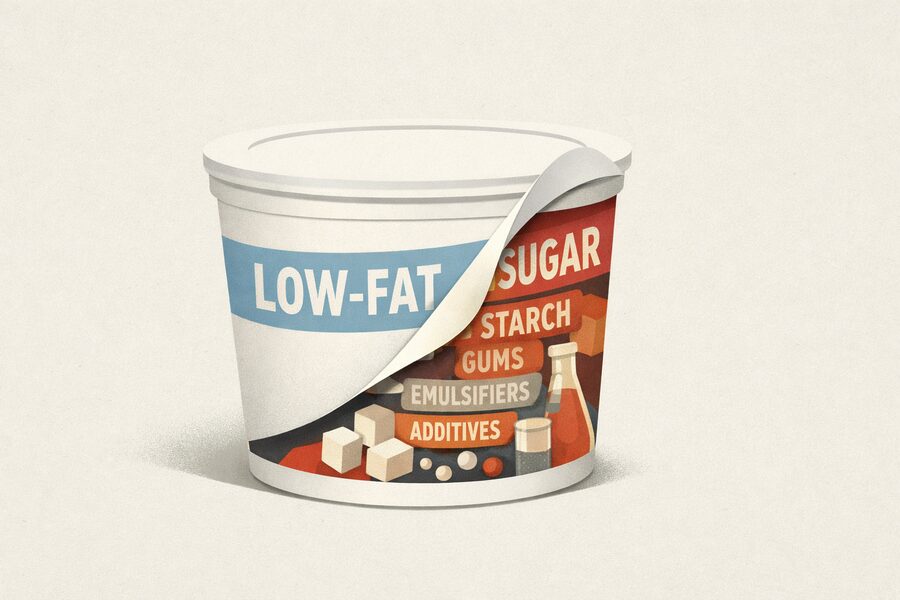
Are Low-Fat Diets Healthy?
The low-fat era did not simply remove fat. It changed what people ate instead — and that replacement question matters.
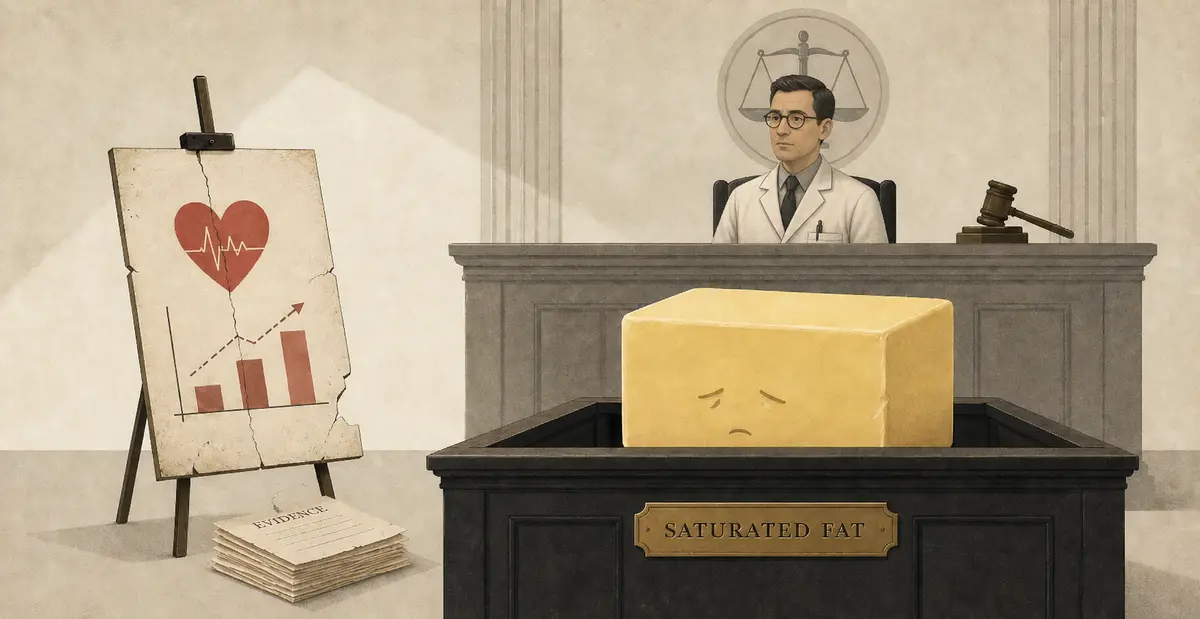
Is Saturated Fat Bad for You?
A closer look at saturated fat, replacement foods, traditional diets, and why the simple “fat is bad” story falls apart.
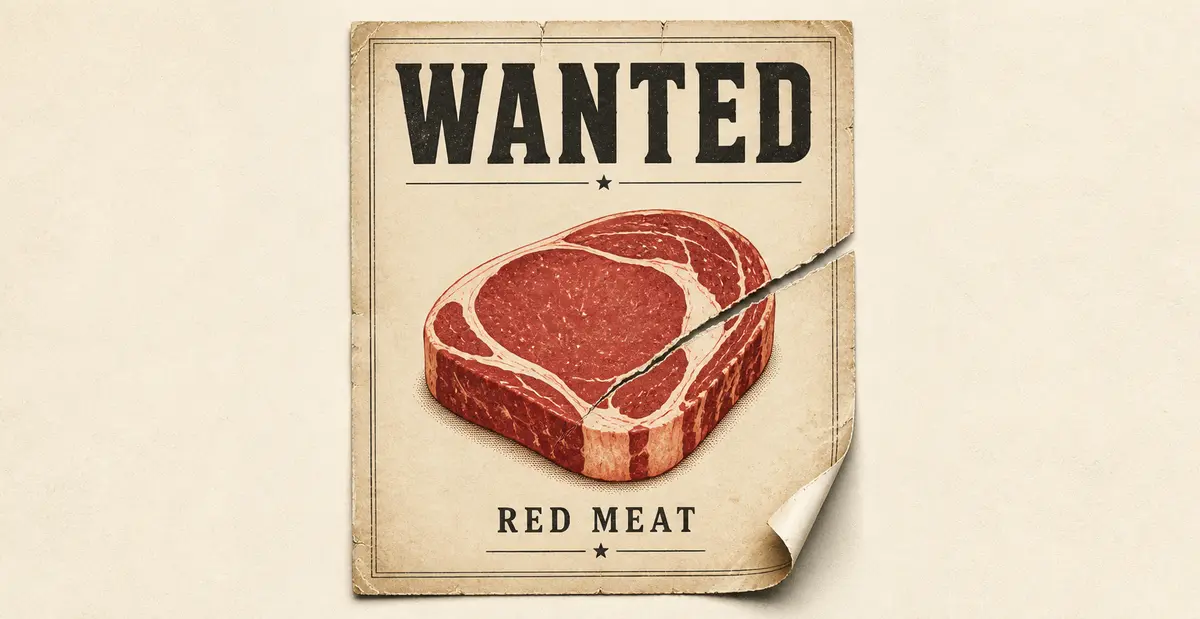
Is Red Meat Bad for You?
A closer look at saturated fat, replacement foods, traditional diets, and why the simple “fat is bad” story falls apart.
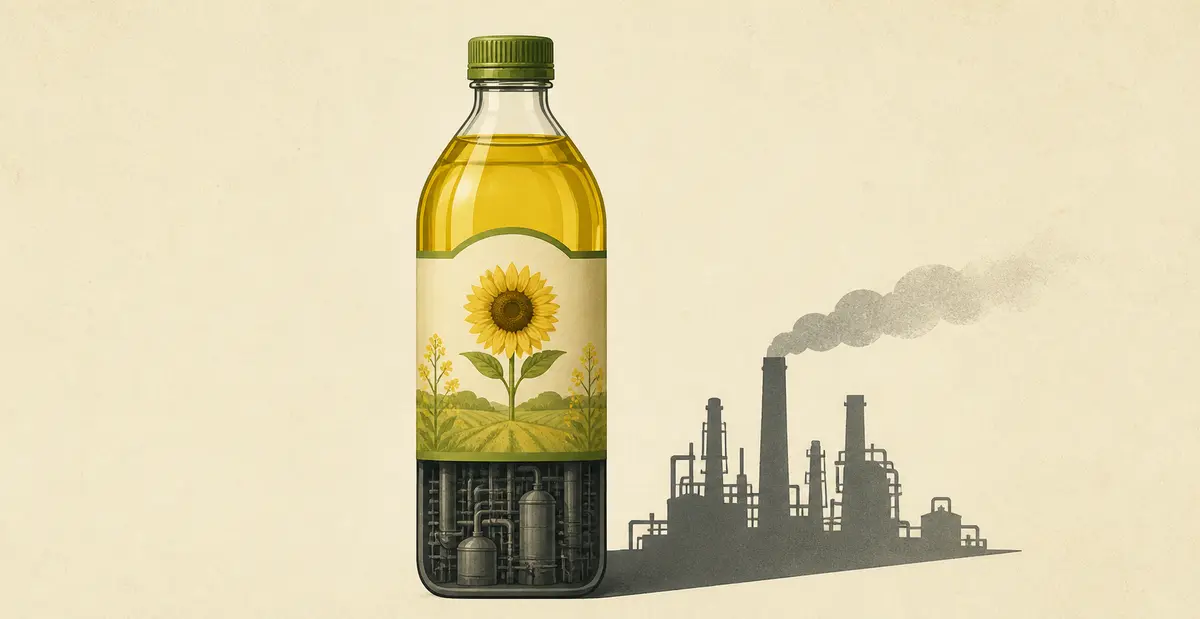
Are Seed Oils Bad for You?
Seed oils are not just another source of calories. Their fatty acid profile, oxidation potential, and modern intake levels deserve a closer look.
The better questions to ask
The problem with nutrition advice is not always that every claim is false. It is that many claims are incomplete. Instead of asking whether fat, cholesterol, meat, carbs, or seed oils are simply good or bad, The New Health Order asks what changed, what replaced what, and what metabolic context the body is responding to.
- What replaced traditional foods?
- What happens when one nutrient is studied in isolation?
- Does this advice make sense in metabolically healthy and unhealthy people?
- Are we looking at real-world outcomes or isolated risk markers?
- What does the body do with this food in context?
Start with the free book
The Better Question shows you how to think more clearly about nutrition advice, cholesterol, saturated fat, seed oils, carbs, and metabolism by putting each question back into biological context.