
Coffee is supposed to wake you up, which makes feeling tired after drinking it especially confusing.
The good news is that this reaction is usually not mysterious or a sign that something is seriously wrong. The timing of the tiredness—whether it appears almost immediately, a few hours later, or the next morning—can reveal what is actually happening.
This article explains the main reasons coffee can leave you sleepy, how to identify which one is most likely affecting you, and what to change so that caffeine supports your energy rather than quietly working against it.
The Short Answer
Coffee can make you feel tired because caffeine does not create energy—it temporarily reduces how strongly your brain registers sleepiness.
If you are already sleep-deprived, stressed, or physically run down, caffeine may help for a while without correcting the fatigue underneath. When its effects fade, that tiredness becomes noticeable again, creating what many people experience as a caffeine crash.
Regular use can complicate the picture. You may build tolerance, rely on caffeine to relieve mild withdrawal, or drink it late enough to disrupt your sleep and leave you more tired the following day. A large dose can also produce a “wired but tired” feeling, while sugar or drinking coffee without food may contribute for some people.
This usually does not mean coffee is uniquely bad for you, that you have ADHD, or that something mysterious is wrong. The aim is to identify which part of your caffeine routine is working against you, then adjust the dose, timing, or underlying source of fatigue.
| When the tiredness appears | What it may suggest |
| Almost immediately | Existing fatigue, excessive stimulation, a large meal, sugar, or an empty stomach |
| A few hours later | Caffeine wearing off and underlying sleep pressure returning |
| Before your usual coffee | Tolerance or mild withdrawal |
How Caffeine Affects Tiredness
As you remain awake, a chemical called adenosine gradually builds up in the brain. By attaching to receptors involved in sleep and wakefulness, it helps create the increasing pressure to rest that you feel throughout the day.
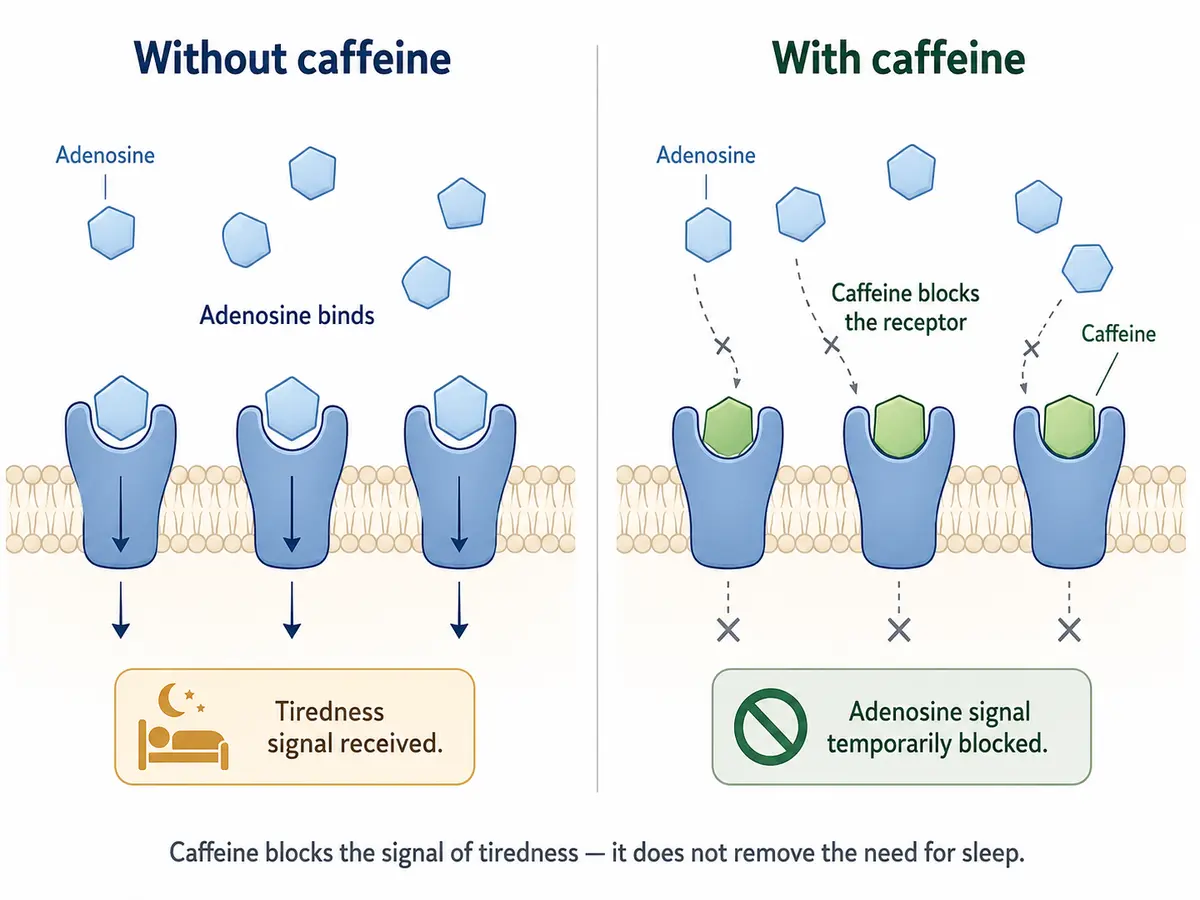
Caffeine is shaped similarly enough to occupy these receptors without activating them. This temporarily weakens the adenosine signal, making you feel more alert even though the adenosine—and the biological need for sleep—remain.
Brain-imaging studies have confirmed that ordinary amounts of caffeine occupy a meaningful proportion of the brain’s adenosine receptors. A useful way to think about this is that coffee does not recharge the battery; it temporarily dims the warning light.
That is why caffeine can be helpful without being restorative. Once its effect weakens, or the underlying sleep pressure becomes too strong, the tiredness becomes easier to feel again.
Get Your Free Book!
Enter your email to get the free book and occasional updates from The New Health Order.
Why You Feel Tired After Coffee
Several mechanisms can produce the same experience, and more than one may be operating at once.
The Coffee Is Masking Existing Fatigue
Coffee can appear to make you sleepy when it is really failing to overcome tiredness that was already there.
Caffeine blocks part of the adenosine signal that makes you feel ready for sleep, but it does not remove the accumulated sleep pressure itself. If you are mildly tired, that may be enough to make you feel noticeably sharper. After several poor nights, however, the same coffee may barely make a dent.
Researchers demonstrated this by limiting 48 healthy adults to five hours in bed for five consecutive nights. Participants received either a placebo or 200 milligrams of caffeine at 8 a.m. and again at noon. The caffeine maintained alertness during the first three days, but by the fourth day its advantage had disappeared. Even 400 milligrams a day could no longer compensate for the accumulating sleep loss.
This helps explain why you might drink coffee and still feel unusually sleepy. The coffee has not necessarily created new fatigue; your underlying need for sleep has become stronger than the temporary signal-blocking effect of caffeine. Because you expected to feel energized, the remaining tiredness may also feel more obvious—as though the coffee has somehow backfired.
The Caffeine Is Wearing Off
The alertness from coffee is temporary. As your body clears caffeine from the bloodstream, fewer adenosine receptors remain blocked and the brain becomes more responsive to its normal tiredness signals again.
This does not happen all at once. Caffeine has an average half-life of about five hours, although it can range from roughly 1.5 to 9.5 hours between individuals. Using that average, about half the caffeine from a 100-milligram coffee would remain in your body five hours later, and around one-quarter would remain after ten hours.
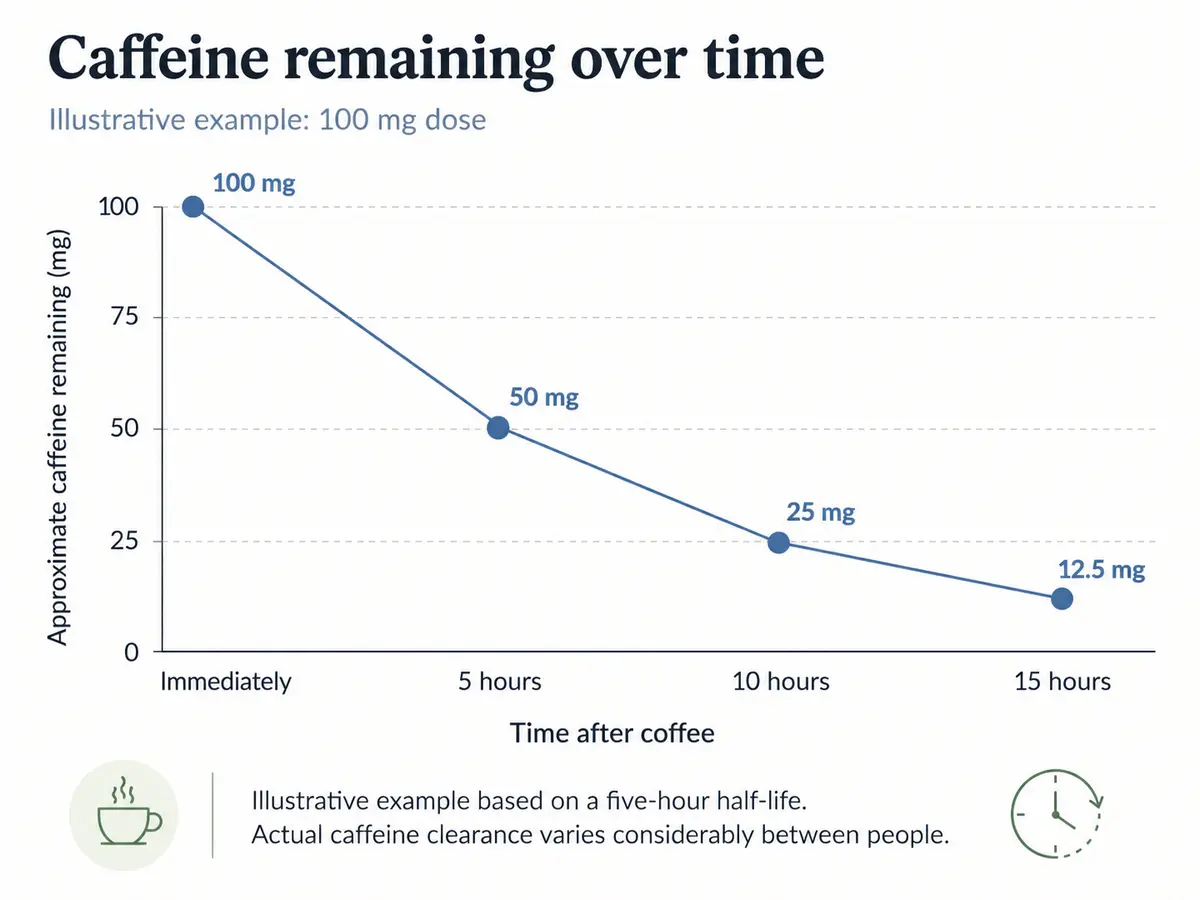
Meanwhile, your sleep pressure has continued to increase. As caffeine’s blocking effect weakens, that accumulated tiredness becomes easier to feel.
This is what people commonly describe as a caffeine crash. It is not necessarily a sudden flood of adenosine or proof that coffee has created new fatigue. More often, it is the contrast between the stimulated state you felt earlier and the return of the tiredness signals caffeine had temporarily suppressed.
Coffee Is Disrupting Your Sleep
Coffee may make you feel tired because the caffeine you used yesterday is affecting how rested you feel today.
Caffeine can remain active long after its noticeable boost has faded. This means you may fall asleep normally and assume the coffee had no effect, while still sleeping for less time or waking more often during the night. A 2023 review of 24 studies found that caffeine reduced total sleep by an average of 45 minutes and lowered sleep efficiency by 7 percent. It also took participants around nine minutes longer to fall asleep.
Timing matters more than many people realize. In one controlled study, 400 milligrams of caffeine still disrupted sleep when consumed six hours before bed.
This can create a quiet feedback loop: you drink coffee because you are tired, the caffeine slightly worsens your sleep, and you wake up needing more coffee the following day. The morning cup may appear to be making you tired when it is actually failing to overcome fatigue that an earlier cup helped create.
Tolerance and Withdrawal Have Changed Your Response
If you drink coffee every day, your nervous system gradually adapts to it. The same dose then produces less alertness than it once did—a process known as tolerance.
At the same time, caffeine levels fall overnight and between drinks. In regular users, this can trigger mild withdrawal symptoms such as fatigue, sleepiness, poor concentration and headaches. These symptoms may begin 12 to 24 hours after the last dose and typically peak between 20 and 51 hours.
Your morning coffee may therefore feel energizing partly because it is relieving withdrawal-related tiredness. Rather than lifting you far above your normal level of alertness, it may simply be returning you closer to baseline.
As caffeine levels fall again, the fatigue can return. What feels like coffee making you tired may actually be a cycle in which each dose briefly relieves symptoms that regular caffeine use has helped create.
Too Much Caffeine Is Leaving You Wired and Tired
More caffeine does not always produce more useful energy. Beyond a certain point, it can increase physical and mental arousal while leaving the original fatigue untouched.
In a randomized crossover study, 12 healthy adults received a placebo, 250 milligrams of caffeine and 500 milligrams on separate occasions. The higher dose caused significantly more anxiety, tension, palpitations and restlessness than the lower dose.
This is the wired and tired feeling: your heart may be beating faster and your mind may feel restless, but you are still sleep-deprived, depleted or in need of recovery. The caffeine has increased stimulation without fixing the reason you were tired.
The dose that produces this response varies. It may occur at lower amounts if you rarely drink caffeine, process it slowly, are already anxious, or consume several coffees close together. In this case, coffee is not making you sleepy in the usual sense; it is layering excessive stimulation over fatigue, leaving you tense, unfocused and still tired.
Sugar, Food, or an Empty Stomach May Contribute
Sometimes coffee gets blamed for tiredness that actually began with the meal around it.
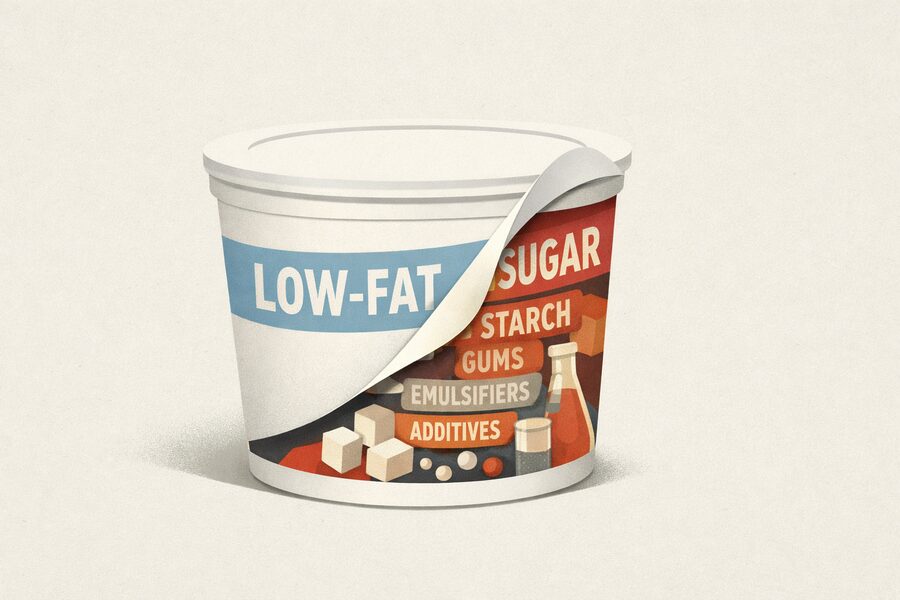
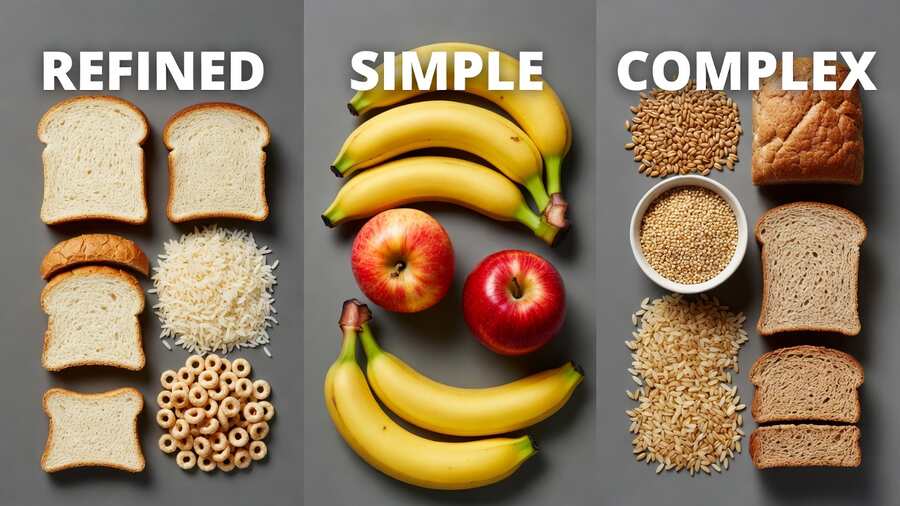
Many people drink coffee after breakfast, lunch, or dinner. If you become sleepy after a large meal, especially one heavy in refined carbohydrates or sugar, the coffee may simply fail to overcome that post-meal slump. Because you expected it to make you more alert, it is easy to assume the coffee caused the problem.
Sweetened coffee can add to the effect. In one small crossover study, caffeinated coffee consumed before a high-carbohydrate meal produced a 147 percent greater glucose response and reduced insulin sensitivity by 40 percent compared with decaffeinated coffee.
The picture is not identical for everyone. Some people feel worse after a large sweetened drink, while others notice more shakiness or anxiety when they drink coffee without eating. Either can leave you feeling briefly stimulated, then drained.
The best way to tell is to compare the pattern. Notice how you feel after coffee on its own, with a light meal, after a large meal, and in a heavily sweetened drink. The coffee may not be making you tired at all; it may simply be sitting on top of a meal-related slump or an already unsettled energy response.
Does ADHD Make Coffee Feel Tiring?
People often say caffeine makes those with ADHD calm or sleepy because stimulants work “in reverse.” That is an oversimplification.
Caffeine blocks adenosine receptors in everyone. Some people with ADHD may experience that stimulation as calmer or more focused thinking, but calmness is not the same as sleepiness. Coffee also acts much less precisely than prescription ADHD medication.
The connection may seem convincing because sleep problems and daytime fatigue are common in ADHD. In one study of 126 adults with ADHD, around 85 percent reported poor sleep quality or excessive daytime sleepiness. Coffee may briefly change how that fatigue feels without removing it.
Feeling tired after coffee is therefore not a useful test for ADHD. Sleep debt, tolerance, caffeine wearing off, an excessive dose, or disrupted sleep are usually more likely explanations.
How to Avoid Feeling Tired After Coffee
The goal is not necessarily to stop drinking coffee, but to use it in a way that supports alertness without creating another cycle of fatigue. That usually means adjusting the dose, timing it more carefully, reducing dependence gradually, and paying attention to the tiredness the coffee may be masking.
Reduce the Amount You Drink
Reducing caffeine can seem counterintuitive when you drink coffee specifically to feel more awake. But as tolerance and dependence develop, a larger dose can begin contributing to the same tiredness you are trying to escape—through overstimulation, a later crash, or disrupted sleep.
The aim is not necessarily to stop drinking coffee. It is to find the lowest dose that still improves alertness.
That amount may be lower than you expect. In a controlled study, caffeine doses ranging from 12.5 to 100 milligrams produced measurable effects on mood or mental performance, with relatively modest differences between the doses. This suggests that some people can reduce their intake without losing most of the benefit.
Start by removing around 25 to 50 milligrams from your daily intake, or by making one regular coffee smaller. For context, an eight-ounce cup of coffee typically contains about 80 to 100 milligrams, while large coffee-shop drinks may contain several times that amount.
Pay attention to more than how alert you feel immediately afterward. A lower dose is working if it still helps you concentrate while reducing jitters, afternoon fatigue, sleep disruption, or the urge to drink another coffee a few hours later.
Drink Coffee Earlier
Caffeine can remain active long after the noticeable boost has faded. You may fall asleep without much trouble and still sleep more lightly, wake more often, or feel less refreshed the next morning.
A 2023 review estimated that a coffee containing about 107 milligrams of caffeine should be consumed at least 8.8 hours before bed to avoid shortening sleep on average. A stronger dose of around 218 milligrams may need more than 13 hours.
For someone who goes to bed at 10 p.m., that places the final regular coffee at roughly 1 p.m. A large or especially strong drink may need to come even earlier, particularly if you process caffeine slowly.
Try moving your last coffee two hours earlier for one week. Judge the result by how refreshed you feel the next morning, not just by whether you managed to fall asleep. If your energy improves, move it earlier again until you find a cutoff that does not borrow alertness from the following day.
Cut Back Gradually
If you drink caffeine regularly, avoid making a dramatic reduction overnight. Stopping suddenly can temporarily leave you more tired, unfocused, and headachy—the exact symptoms that may convince you that cutting back was a mistake.
That reaction is usually withdrawal rather than evidence that you need the previous dose. Symptoms commonly begin 12 to 24 hours after the last caffeine intake, peak between 20 and 51 hours, and may last two to nine days.
A practical approach is to reduce your daily intake by about 25 percent every few days, slowing the process if withdrawal becomes disruptive. Someone consuming 300 milligrams per day might reduce to roughly 225 milligrams, remain there for several days, and then lower the dose again. Clinical guidance generally recommends reductions of around 25 to 50 percent every few days.
It is often easiest to reduce the least useful coffee first—usually a later cup taken out of habit rather than genuine need. Smaller servings, half-caf, and decaf can help you taper without abruptly removing the ritual or the caffeine.
This gradual approach also gives you a clearer picture of your normal energy. Without the temporary fatigue of abrupt withdrawal, you can better judge whether a lower intake is actually helping.
Address the Fatigue Coffee Is Hiding
Changing when or how much coffee you drink can help, but it will not solve tiredness that has another cause.
Start with the obvious question: are you regularly getting enough sleep? Sleep experts recommend at least seven hours per night for most adults, although some people need more. If you are consistently falling short, coffee may improve your alertness temporarily, but it cannot provide the recovery that sleep would have supplied.
It may help to track your sleep, caffeine intake, meals, stress and afternoon energy for one week. Patterns are often easier to see on paper. You might discover that the crash follows short nights, skipped meals, unusually stressful mornings, or a second coffee that pushes caffeine too far into the afternoon.
Persistent fatigue can also reflect poor sleep quality, a health condition or medication side effect. Fatigue that continues despite adequate sleep, nutrition and a lower caffeine intake is worth discussing with a healthcare professional rather than continuing to cover it with another cup.
Coffee is most useful when it supports an otherwise healthy level of energy. When it becomes necessary just to feel normal, the more important question is not how to make the coffee work better, but what your body has been trying to tell you.
| What you notice | First change to test |
| Coffee barely helps | Reduce dependence and address sleep debt |
| You crash several hours later | Try a smaller dose |
| You feel wired and tired | Reduce the dose and avoid stacking coffees |
| You wake tired the next day | Move your final coffee earlier |
| Tiredness follows meals | Compare lighter meals, black coffee, and sweetened coffee |
| You feel worse when cutting back | Reduce gradually rather than stopping abruptly |
The Bottom Line
Feeling tired after coffee usually has a straightforward explanation. The caffeine may be masking fatigue, wearing off, disrupting your sleep, or becoming less effective as tolerance builds. It is not, by itself, a sign of ADHD or an unusual reaction to coffee.
You may not need to give it up. Start with a smaller dose, drink it earlier, and pay attention to the pattern of your tiredness. If fatigue continues despite adequate sleep and a lower caffeine intake, the problem is worth looking at beyond the coffee.
FAQs
Why does coffee make me sleepy right away?
Coffee may not be creating new tiredness. If your sleep pressure is already high, caffeine may simply be unable to overcome it, leaving you sleepy despite some stimulation. A large dose, a heavy meal, sugar, or drinking coffee while hungry may also contribute.
How can I prevent a caffeine crash?
Use the smallest caffeine dose that still improves alertness, avoid drinking several coffees close together, and move your final serving earlier. If you consume caffeine every day, reduce it gradually rather than stopping suddenly. Most importantly, address any sleep debt the caffeine has been masking.
Does coffee making me tired mean I have ADHD?
No. Some people with ADHD report feeling calmer after caffeine, but calmness is not the same as sleepiness, and this response cannot diagnose ADHD. Sleep debt, tolerance, caffeine wearing off, excessive doses, and disrupted sleep are usually more likely explanations.