
Topic Hub
Health Foundations
A guide to the daily biological inputs that shape energy, mood, hormones, metabolism, and long-term resilience.
Health is shaped by repeated biological inputs: movement, sleep, sunlight, stress, recovery, and the daily signals the body receives from its environment. This section looks at the foundations that often sit underneath nutrition, hormones, mood, energy, and long-term resilience.
Start here
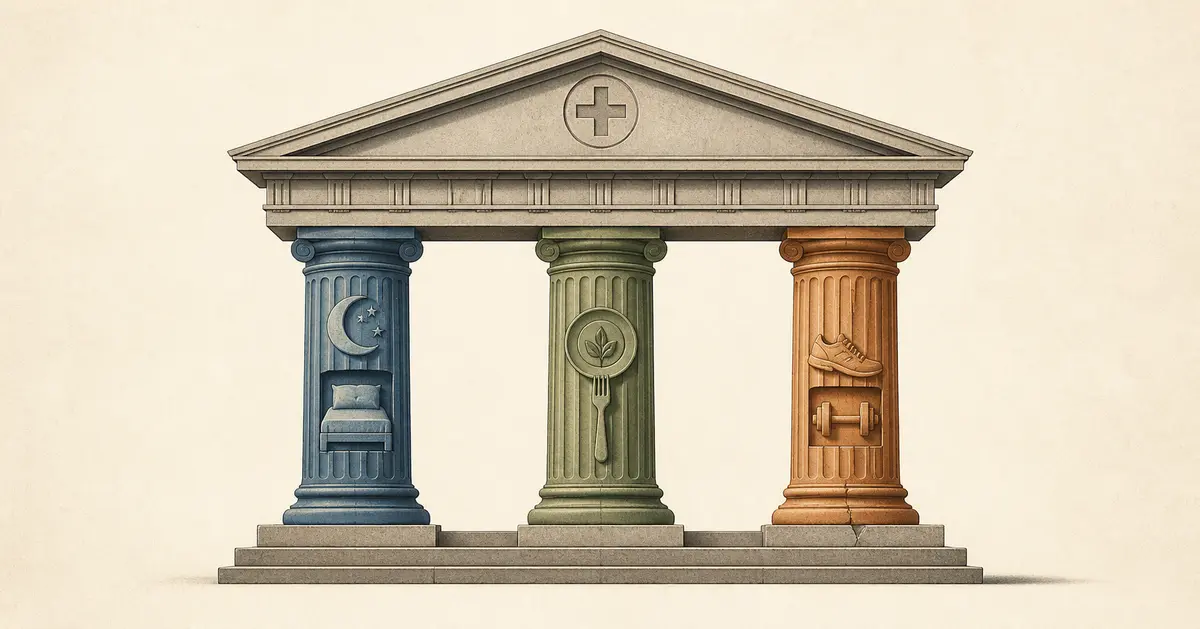
Sleep, Diet, and Exercise: The 3 Pillars of Better Health
A simple starting point for understanding the major foundations of health — how sleep, food, and physical activity work together rather than as separate lifestyle boxes to tick.
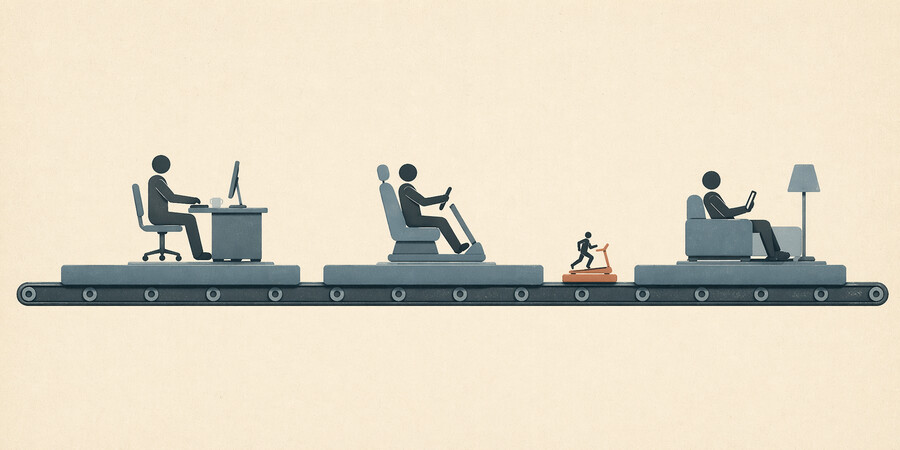
Why Exercise Isn’t Enough If You Sit All Day
A better way to think about movement, showing why a daily workout does not fully replace the biological need for regular, low-level activity throughout the day.
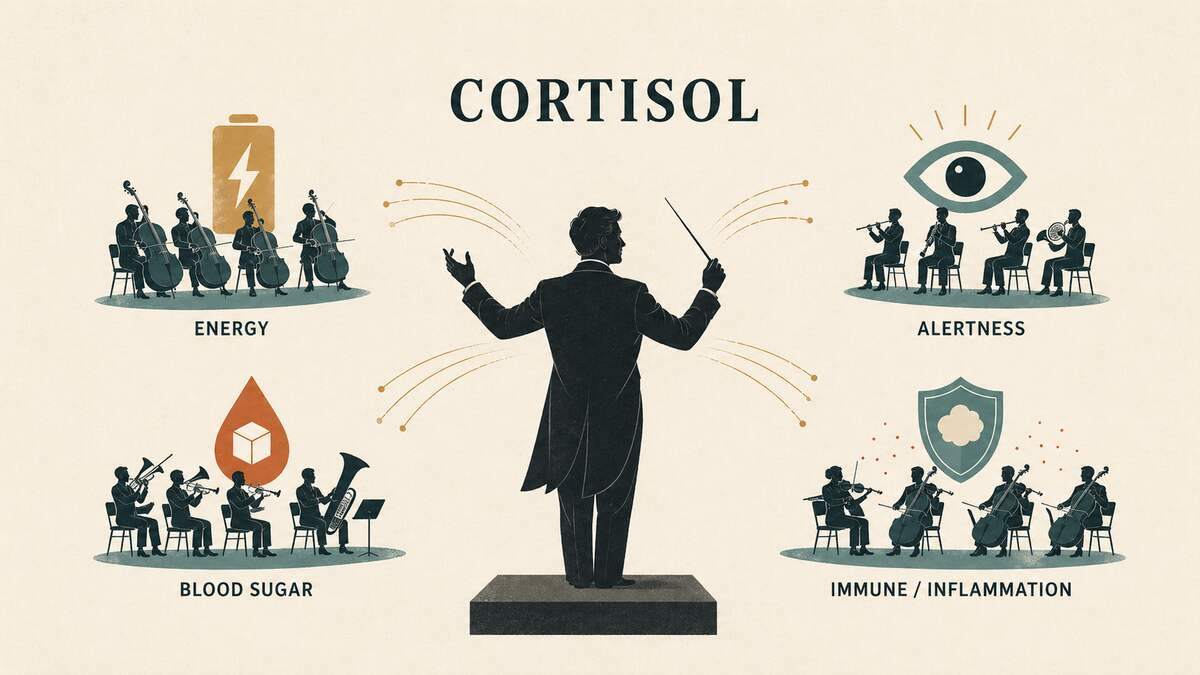
What Does Cortisol Do?
A clear explanation of cortisol’s real purpose in the body — not just as a “stress hormone,” but as a rhythm, energy, wakefulness, and adaptation signal.
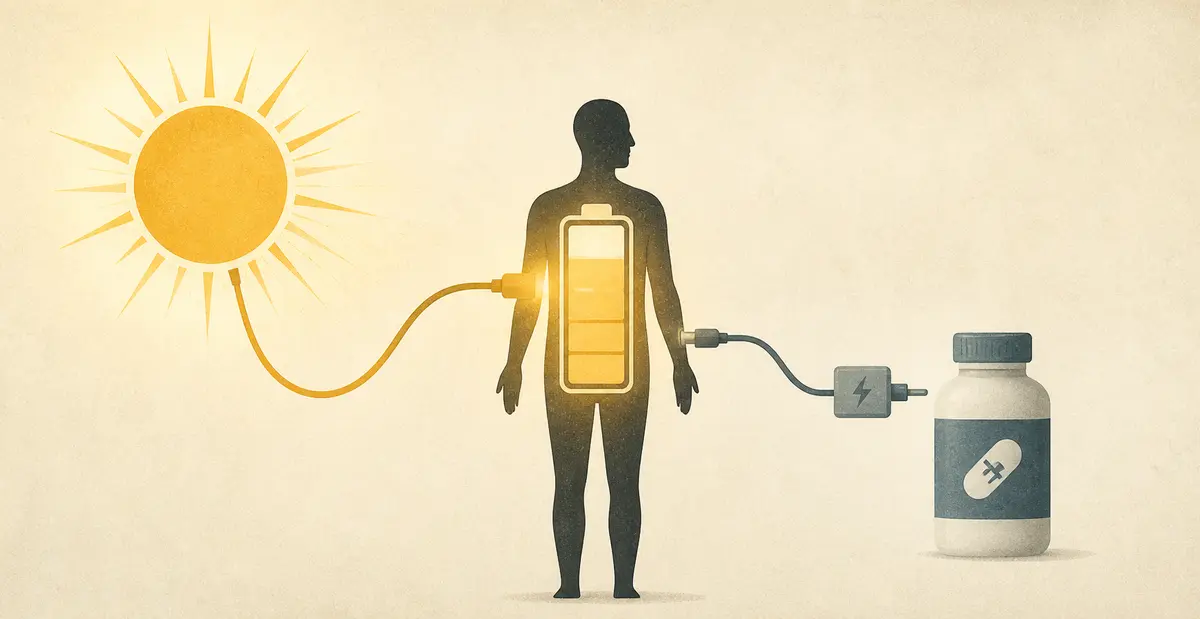
Vitamin D: Sunlight vs Supplements
A context-first guide to vitamin D, sunlight, and supplementation — and why human health cannot be reduced to one nutrient number without considering light exposure and biology.

Metabolism Explained
A foundation article for understanding how the body uses food, produces energy, stores fuel, and adapts to different nutritional environments.
The better questions to ask
Health foundations are often treated as separate lifestyle tips: get more sleep, exercise more, manage stress, get sunlight, drink water. But the body does not experience these inputs in isolation. Movement, light, sleep, stress, food, and recovery all help set the signals that shape energy, hormones, mood, metabolism, and resilience. The better question is not which single habit matters most, but what pattern of inputs the body is adapting to every day.
- Is the body getting enough movement, light, sleep, and recovery?
- Are stress signals temporary or constant?
- Is the problem really one hormone, or the system around it?
- What daily inputs are shaping energy, mood, and metabolism?
- Are we treating symptoms while ignoring the foundations?
Start with the free book
The Better Question shows you how to think more clearly about nutrition advice, cholesterol, saturated fat, seed oils, carbs, and metabolism by putting each question back into biological context.