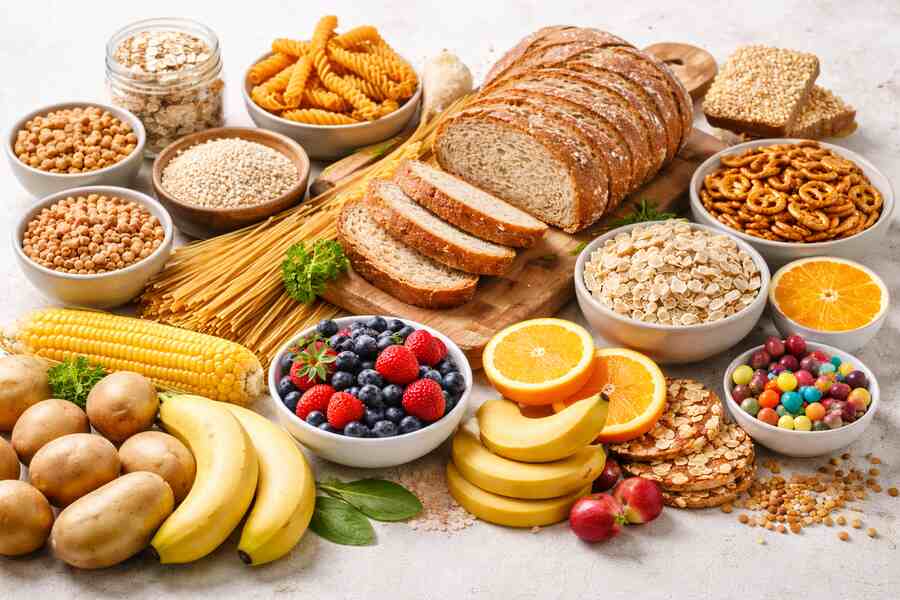
You finish a meal, clear the plate and still find yourself thinking about what you could eat next. Perhaps your stomach feels physically full, yet the hunger never really disappeared. It is a strange and frustrating combination.
We tend to assume that eating enough food should automatically make us feel satisfied. But the body responds to more than the amount of space a meal occupies in the stomach.
This article looks at why hunger can remain—or return quickly—after eating, how to tell whether the meal itself was the problem, and what may help it keep you full for longer.
The Short Answer
If you are still hungry after eating, the meal may have created enough satiation to make you stop eating without producing enough satiety to keep hunger suppressed afterward.
This often happens when a meal is low in protein or total energy, lacks fiber and physical volume, or delivers many of its calories through drinks and highly processed foods that are quick to consume. In other cases, the meal is not the main problem: dieting, poor sleep, harder training, stress, hormonal changes or certain medications can all raise appetite.
Post-meal blood sugar dips may contribute for some people, but the research suggests they explain only part of the response. The best place to start is with the structure of the whole meal, not one supposedly problematic ingredient.
Fullness Vs. Satiety
Fullness, satiation and satiety describe three related but different parts of eating.
| Term | When it happens | What it describes |
| Fullness | During and immediately after eating | The physical sensation of the stomach filling and stretching |
| Satiation | During the meal | The signals that make you slow down and stop eating |
| Satiety | After the meal | How long hunger remains suppressed before you want to eat again |
A meal can therefore create plenty of fullness and enough satiation to make you stop eating, without producing much lasting satiety.
Imagine eating a large salad made mostly from lettuce, cucumber and tomatoes with a light dressing. It may fill the stomach simply because it contains plenty of water and physical bulk which creates the stretch signals indicating the stomach is full.
But if it contains little protein or energy, hunger may return quickly. A smaller meal containing eggs, Greek yogurt or another substantial protein source may occupy less space yet produce stronger and longer-lasting satiety signals.
The brain is not responding only to the amount of food in the stomach. As protein, fat and carbohydrate reach the intestine, they stimulate gut hormones including peptide YY, glucagon-like peptide-1 and cholecystokinin.
These signals help tell the brain that nutrients have arrived and influence how quickly hunger returns. The rate at which the stomach empties, the nutrients entering the bloodstream, recent calorie intake and the brain’s reward response to the meal also contribute.
So, when hunger returns soon after a meal, the problem may not be that the stomach was never filled. The meal may simply have created plenty of immediate volume without producing enough sustained satiety.
Get Your Free Book!
Enter your email to get the free book and occasional updates from The New Health Order.
Why Your Meal Did Not Keep You Full
Lasting satiety rarely comes from one nutrient alone. It depends on how much protein, fiber, volume and energy the meal provides, along with its texture and physical form.
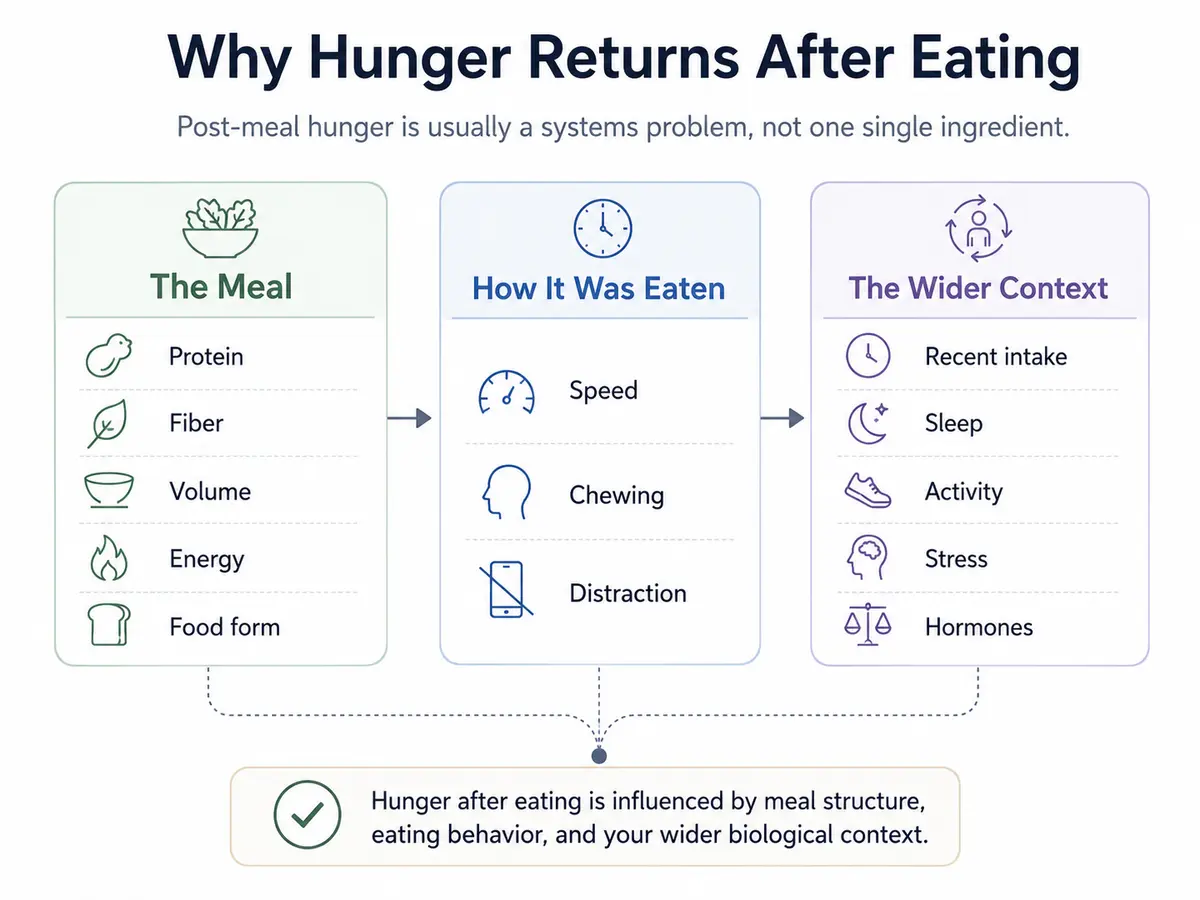
Not Enough Protein
Protein is often the missing piece in meals that look substantial but fail to keep hunger away. A breakfast of cereal, toast and fruit may provide plenty of volume and carbohydrate, yet still contain very little protein. It can fill the stomach, but the post-meal satiety response may be relatively weak.
Protein stimulates several gut signals involved in appetite control and requires more energy to digest than carbohydrate or fat. This helps explain why two meals with the same number of calories can leave you feeling very different afterward.
A small crossover experiment illustrates the effect. Twenty overweight or obese girls who regularly skipped breakfast ate two 350-calorie breakfasts on separate occasions: one containing 13 grams of protein and the other 35 grams.
Fullness was measured every 30 minutes using a scale ranging from “not at all” to “extremely,” with the ratings combined across the eight-hour testing period. The higher-protein breakfast produced a 30% increase in this total fullness response, compared with 10% after the lower-protein breakfast. It was also followed by lower ghrelin, higher peptide YY and fewer evening snack calories.
The difference also appeared later in the day. Evening snacking averaged 486 calories after the higher-protein breakfast, compared with 621 after the lower-protein version. Total daily intake was 169 calories lower.
How Breakfast Protein Changed Fullness and Intake
| Measure | 13 g protein breakfast | 35 g protein breakfast |
| Calories | 350 | 350 |
| Fullness response | +10% | +30% |
| Evening snack intake | 621 kcal | 486 kcal |
| Total daily intake | 2,292 kcal | 2,123 kcal |
The experiment was small and involved only overweight or obese teenage girls who regularly skipped breakfast. The breakfasts also differed in carbohydrate content and food type, so protein was not the only variable that changed. Even with those limitations, the study shows how two equal-calorie breakfasts can produce noticeably different appetite responses.
Not Enough Fiber or Volume
A meal can contain plenty of calories without providing much water, fiber or physical volume. A pastry and sweet coffee, for example, may deliver more energy than a bowl of lentil soup, yet provide far less water, fiber, chewing and physical bulk.
Fiber is not one single substance with one predictable effect. Some types absorb water and form a thicker mixture in the digestive tract, which can slow the movement of food from the stomach. Intact fiber-rich foods also tend to take longer to chew and occupy more space than their refined or liquid equivalents.
Researchers tested this by serving the same fruit in different forms. In a controlled crossover study, participants ate whole apple, applesauce or one of two apple juices before lunch, with each portion providing the same calories.
The whole apple produced the greatest fullness and reduced lunch intake by about 15% compared with eating no preload. Adding fiber back into the juice did not produce the same effect, suggesting that the apple’s intact structure, chewing and physical volume contributed alongside its fiber.
Volume can also work without an enormous fiber dose. In another controlled study, eating a low-calorie soup before lunch reduced total meal intake by about 20%, regardless of whether the soup was chunky, puréed or broth-based.
Too Many Liquid Calories
A meal can contain far more energy than it feels like when a large share of it comes through a straw. Liquid calories still count, but people do not always compensate by eating less later.
One small trial made the comparison unusually direct. In it, 15 adults added roughly 450 calories per day to their usual diet, either as soda or jelly beans, for four weeks at a time. During the solid-food phase, they reduced the rest of their intake enough to compensate for 118% of the added calories. During the soda phase, compensation was effectively absent at −17%, and body weight increased only during the liquid-calorie period.
The type of drink also matters. In another controlled study, milk produced more fullness and less hunger than an equal-calorie cola. Its protein and nutrient content gave it a very different satiety effect, even though both calories were consumed as a liquid.
The bigger issue is how easily calories can be added without making the meal feel much larger. Soda, juice, sweetened coffee and some smoothies can contribute several hundred calories while doing relatively little to replace solid food. Protein shakes and soups may behave differently, especially when they contain meaningful protein, fiber or physical volume.
A useful check is to ask how much of the meal came from drinks. If most of its calories were liquid, the meal may provide less staying power than its calorie count suggests.
Highly Processed Foods
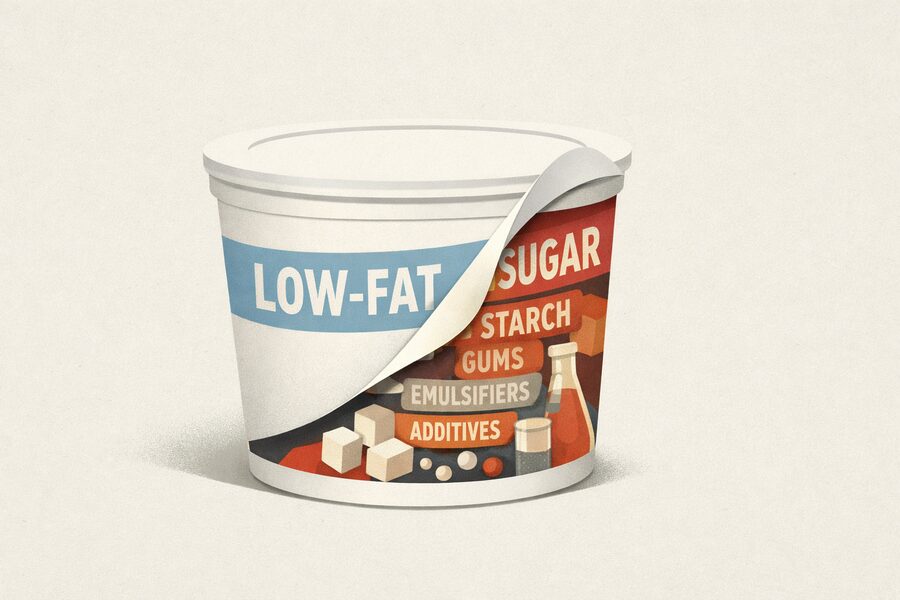
Highly processed foods often concentrate a great deal of energy into soft, intensely flavored foods that require little effort to eat. A meal built around chips, sweet cereal, pastries or fast food can therefore provide plenty of calories without feeling especially substantial.
The clearest evidence comes from an inpatient NIH trial. Twenty adults ate an ultra-processed diet for two weeks and an unprocessed diet for two weeks, in random order. The meals offered were matched for calories, energy density, protein, carbohydrate, fat, sugar, sodium and fiber.
Despite that, participants ate an average of 508 more calories per day on the ultra-processed diet. They gained about 0.9 kg during that phase and lost roughly the same amount during the unprocessed phase.
The trial could not isolate processing itself as the cause. Participants ate the ultra-processed meals faster, while differences in texture, food form and palatability may also have influenced how much they consumed.
The useful distinction is not simply packaged versus unpackaged food: Greek yogurt, canned beans and frozen vegetables are processed too. The concern is a meal dominated by foods that combine concentrated energy with a soft texture and little intact structure.
Carbs and Blood Sugar
Carbohydrates often get blamed whenever hunger returns after a meal, but the biology is a little more complicated than “carbs spike blood sugar, then blood sugar crashes.”
After a carbohydrate-containing meal, blood glucose rises and insulin helps move that glucose into cells. In some people, glucose then falls below its pre-meal level two to three hours later. That later dip appears to matter more for appetite than the size of the initial spike.
In a study of 1,070 adults without diabetes, researchers tracked glucose after 8,624 standardized meals and recorded more than 71,000 later meals. Compared with people who had the smallest glucose dips, those with the largest dips reported 9% more hunger, ate again around 24 minutes sooner, consumed 75 more calories in the following hour and ate 312 more calories across the measured day.
The relationship was modest rather than decisive. When the same person ate the same meal on different days, the link between glucose dips and later hunger or intake weakened considerably, and several results were not statistically significant in the smaller US validation group. Blood sugar may influence appetite, but it explains only part of why hunger returns after eating.
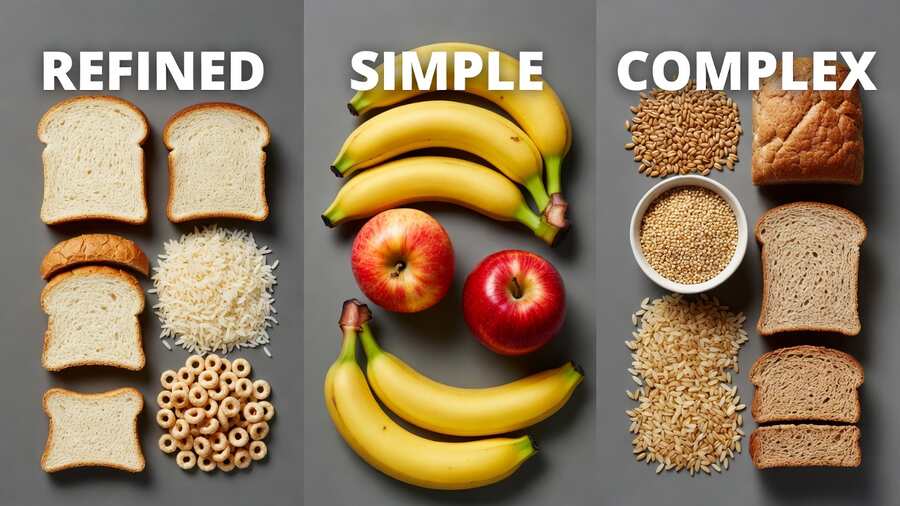
The type of carbohydrate, the rest of the meal and the individual response all matter. A bowl of sugary cereal eaten alone is very different from potatoes served with fish and vegetables, even if both contain a similar amount of carbohydrate.
Rather than fearing carbohydrates, it usually makes more sense to look at how refined they are and what accompanies them. Pairing them with protein, fiber and a more intact food structure may produce a steadier and more satisfying meal.
How You Eat Affects Hunger
What you eat matters, but the way you eat it can change how satisfying the meal feels.
Eating too fast. Satiation develops during the meal rather than arriving all at once. When food disappears in ten rushed minutes, much of the meal may be gone before the feeling of having had enough becomes clear.
Eating a little more slowly can help. Sitting down, chewing properly and taking the occasional pause gives fullness more time to develop before the meal is over.
Eating while distracted. A meal eaten while answering emails, scrolling Instagram, or watching TV may leave a weaker memory than one you actually paid attention to. Controlled studies suggest that distraction can weaken memory of the meal and increase how much people snack on later, even when immediate hunger is not dramatically different.
That helps explain the familiar experience of reaching the bottom of a bag or finishing a plate and barely remembering eating it.
Distracted eating is unlikely to explain persistent hunger on its own, but it can make a meal less memorable and encourage more eating later.
When the Meal Is Not the Problem
Sometimes a well-built meal still fails to settle hunger because the appetite signal began before the food reached the plate.
Dieting or undereating. If you have been eating too little for days or weeks, the body does not judge each meal in isolation. It responds to the wider energy shortage. Hunger may remain high after a balanced meal because the body is trying to recover what has been consistently withheld. This is especially common after aggressive dieting, skipped meals or repeatedly choosing meals that are “healthy” but simply too small.
Poor sleep, stress or exercise. Poor sleep can also change appetite and make energy-dense foods more appealing the following day.
Stress is less predictable but can still have an outsized effect: some people lose their appetite, while others become hungrier or eat more for comfort. Exercise can suppress hunger briefly, but harder training or a sudden increase in daily activity may raise appetite later—sometimes several hours after the workout.
Hormones and medications. Appetite can also change across the menstrual cycle, during pregnancy or perimenopause, and in response to medications such as corticosteroids or some antidepressants and antipsychotics.
Before blaming the last meal, look at what has changed over the past few days. Less sleep, harder training, a new medication or several days of undereating may explain more than the carbohydrate on your plate.
How to Stay Full Longer
A satisfying meal does not need to follow a perfect formula, but it usually contains a few basic pieces working together.
Start with a meaningful protein source, then add a fiber-rich food with some physical volume. That might be eggs with potatoes and vegetables, Greek yogurt with fruit and nuts, or meat, fish, tofu or beans with rice and vegetables. Include enough fat to make the meal enjoyable, but do not expect oil or butter to compensate for missing protein or fiber.
The meal also needs to be large enough for the person eating it. A lightly dressed salad may look like an excellent lunch, but it will not necessarily meet the needs of someone who trained that morning, works a physical job or has eaten very little all day. In a healthy body, hunger can also be a sign that the body may require more energy and nutrition.
When a meal fails to hold you, run through a quick check:
Where was the protein? Was there a substantial source, or only a small amount scattered through the meal?
Where was the fiber and volume? Did the meal include fruit, vegetables, beans, lentils, oats, potatoes or another intact food?
How much did I drink? Calories from soda, juice, sweetened coffee or a thin smoothie may add energy without replacing much solid food.
Was the meal big enough? Consider your activity level, recent eating and whether you have been dieting or skipping meals.
How did I eat it? A meal eaten in seven distracted minutes may be less satisfying than the same food eaten at a normal pace.
There is no single food that guarantees satiety. The goal is to build a meal with enough protein, fiber, volume and energy—and not rush through it before you have noticed whether it satisfied you.
Hunger after eating is rarely explained by a single nutrient, hormone or food. Start with the meal’s overall structure, then consider how you ate it and what has changed in the wider context of your life. A meal with enough protein, fiber, volume and energy will usually do more for satiety than chasing one supposedly perfect food.
FAQs
Why am I still hungry after eating a full meal?
A meal can stretch the stomach enough to create fullness without producing much lasting satiety. This is more likely when the meal contains little protein, fiber or total energy, or when many of its calories come from drinks and soft, highly processed foods. Recent dieting, poor sleep and increased activity can also keep hunger elevated even after a substantial meal.
Why am I hungry after eating a high-calorie meal?
Calories alone do not determine how satisfying a meal will be. A pastry, sweetened coffee and snack foods can provide considerable energy while requiring little chewing and offering relatively little protein, fiber or physical volume. The meal may therefore contain plenty of calories without generating the combination of signals that suppresses hunger for several hours.
Does hunger after eating mean my blood sugar crashed?
Not necessarily. Larger glucose dips two to three hours after a meal have been associated with greater hunger and earlier eating in some people, but the relationship is modest. Protein, fiber, food form, meal size, sleep and recent energy intake also affect appetite. A return of hunger should not automatically be interpreted as reactive hypoglycemia or a reason to avoid all carbohydrates.